



The formation of Ukrainian cuisine
Ukrainian cuisine was formed by the middle of the 18th century. Ukrainian national recipes were significantly influenced by neighboring Polish and Belorussian cuisines.
Such a late formation is related to the late formation of present Ukrainian ethnos. Old Russian cuisine impact on Ukraine is hardly observed as a result of Tatar-Mongol invasions, when the connection was lost for a considerable period of time.
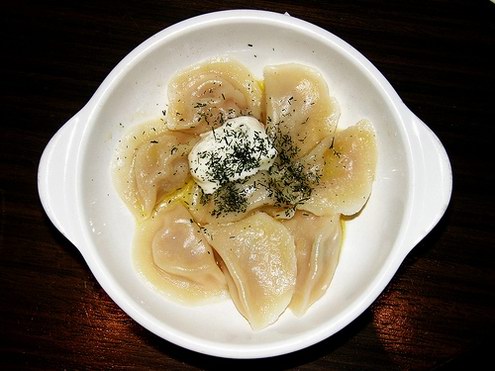
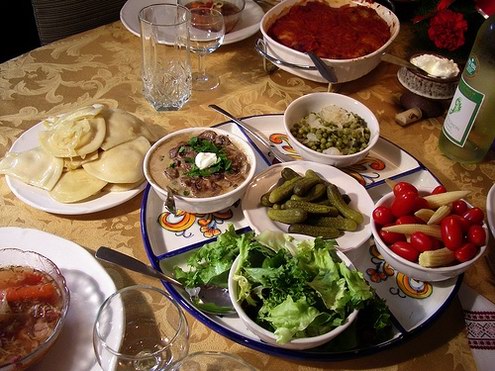
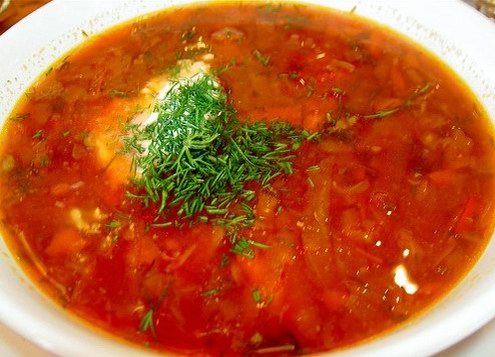
Ukrainian cuisine enjoys honored popularity among other Slavic. Many dishes like vareniki and borsch are now considered as international.
Present Ukrainian cuisine traditions were formed in the 19th century. Today, we can see some specific distinctions between cuisines of Volyn, Poltavschina, Zakarpatye and Bukovyna regions. Thus Ukrainian cuisine is united by several common principles of choosing food and cooking.
The cuisine of Ukraine has also imbibed some traits of German, Hungarian, Turkish and Tatar. For example, the father of well-known vareniki is Turkish dish dyush-var. Ukrainians borrowed German technique of meat chopping and Ukrainians call it farce.
Ukrainian Borsch
Ukrainian Vareniki