Ukrainian Nature - Overview
Most of the territory of Ukraine belongs to the southwestern outskirts of the East European Plain and has a flat and hilly terrain, only in the south the Crimean mountains rise, and in the west - the Ukrainian Carpathians. The relief of Ukraine is relatively diverse. Lowlands occupy about 70% of the territory, elevations - 25%, mountains - 5%.
Ukraine is washed by the Black and Azov seas. The majority (about 96%) of the country’s rivers belong to the basins of these seas. The highest point of Ukraine is Mount Hoverla (2061 m) in the Carpathians, the most low-lying areas are on the coast of the Black and Azov seas.
Ukraine has a rich mineral and raw materials potential. The wealth of the mineral resources of the country is due to the peculiarities of the geological structure of its territory. Within the country, all major geostructural zones of the Earth’s crust are found.
The country can be divided into several vegetation-soil zones. Northern Ukraine is primarily a forest zone, with pine and oak trees predominating. The forest-steppe zone, located just to the south of the forest zone, is capable of sustaining agriculture. This zone is the most fertile area, it is particularly rich in black earth called “chernozem”.
The zone of fertile soils stretches from west to east across the southern and central Ukraine. Its intense cultivation has made Ukraine a large producer of wheat and sugar beets.
Climate of Ukraine
The remoteness of Ukraine from the oceans, continental Eurasia and the predominantly flat nature of its territory determine the country’s climate as moderately continental, with continentality gradually changing from west to east. As the continentality increases, summer becomes hotter, winter - colder, and the amount of precipitation decreases.
The territory of Ukraine, despite the predominant moderately continental climate, is characterized by rather significant differences in the humidity of the climate, the temperature regime, the duration of the growing season, etc.
The regular alternation of the influence of the western (humid Atlantic) and eastern (dry continental) air in conditions of the predominantly flat territory of Ukraine causes frequent changes in the cyclonic and anticyclonic activities.
The temperature regime in Ukraine is characterized by significant fluctuations. The air temperatures of the coldest month (January) in a large part of Ukraine are negative (in the range of 0 - minus 7 degrees Celsius). July is the warmest month - plus 18-23 degrees ?elsius.
The seasonal temperature regime significantly varies by region. Periods when the average air temperature is higher than plus 20 degrees Celsius, in the south last more than 4 months, in the west and north - about 3 months. Frosty period with the average air temperature below 0 degrees Celsius ranges from 1-2 months in the south and about 4 months in the north-east of the country.
Beauty of Ukrainian nature
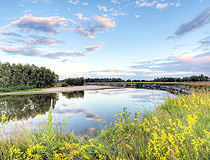
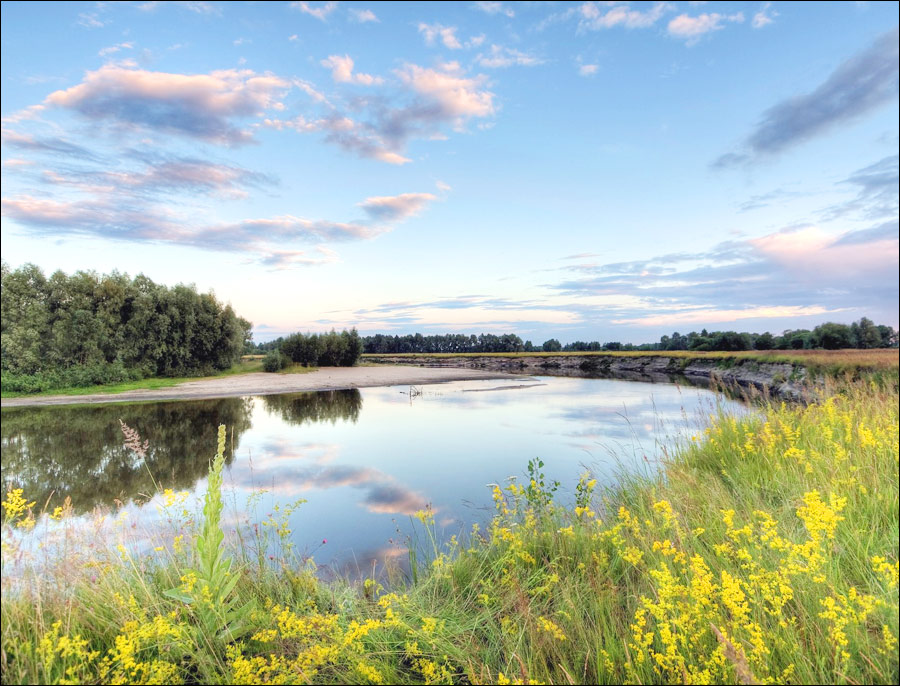
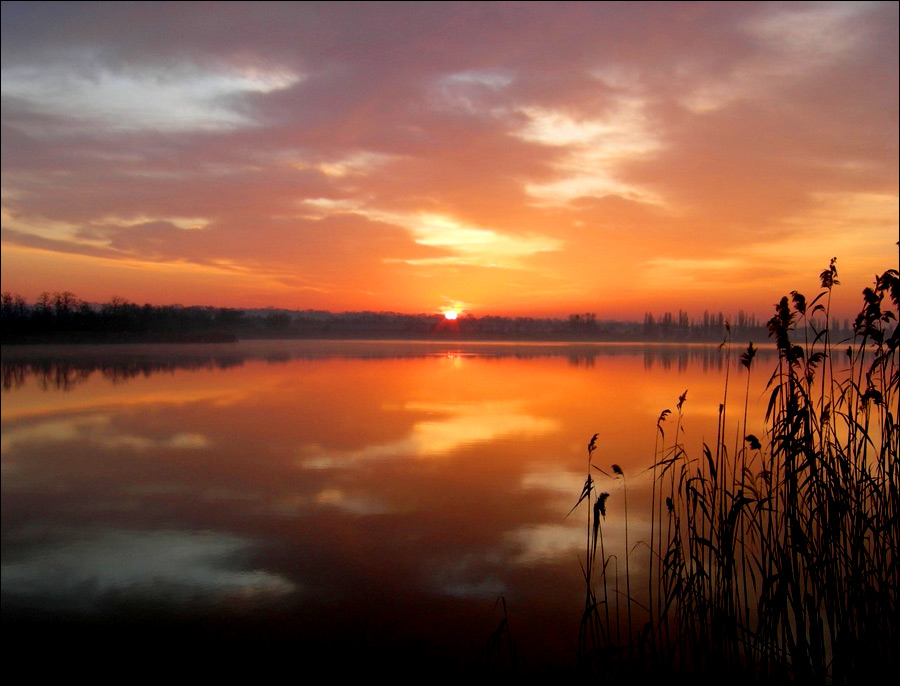
Small river in the Chernihiv region
Author: Pavel Danko
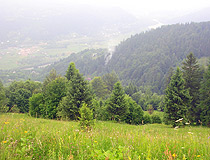
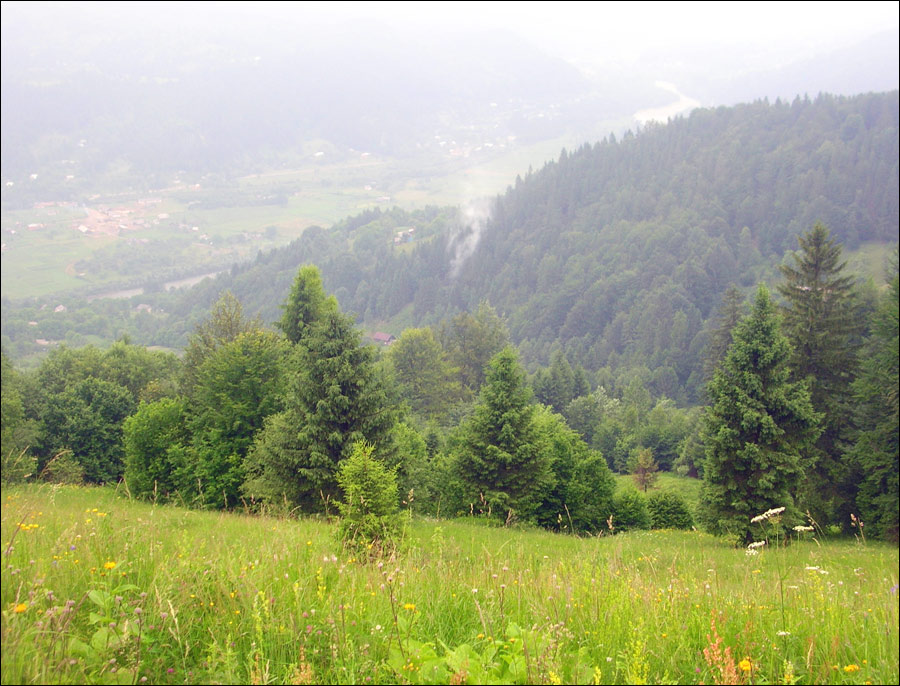
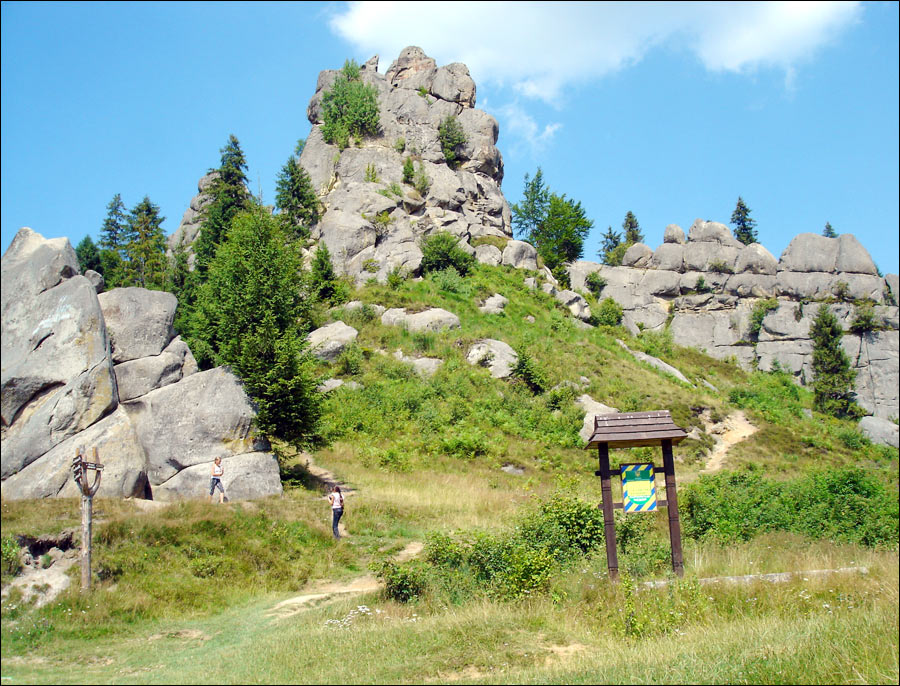
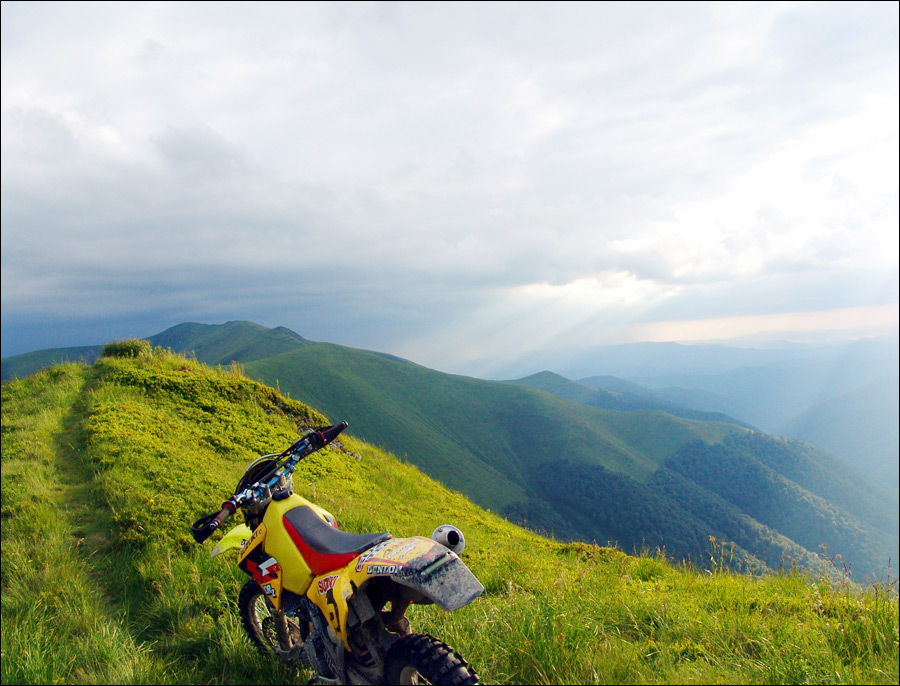
Hilly terrain in the Chernivtsi region
Author: Andriy O.L.
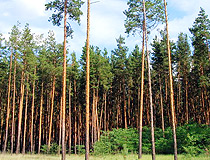
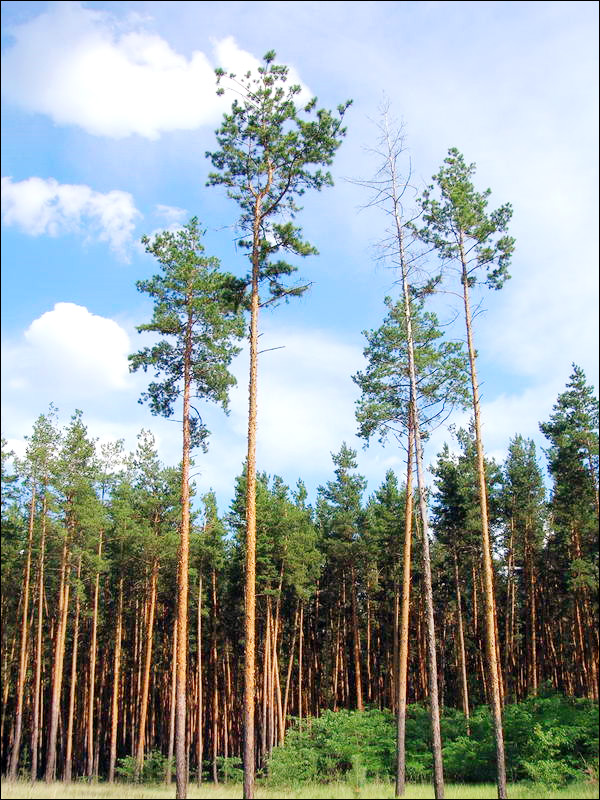
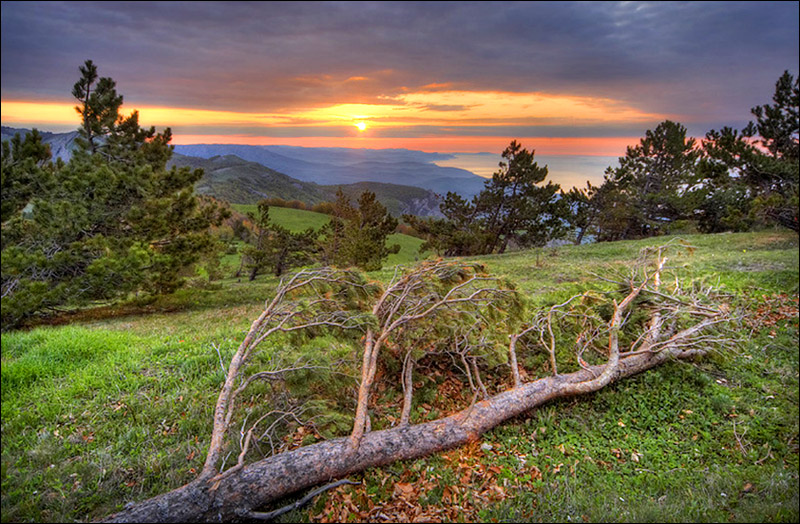
Pine forest in the Dnipropetrovsk region
Author: Vasiliy Volik
Precipitation in Ukraine
Most precipitation falls in the Ukrainian Carpathians (up to 1,600 mm per year). In the rest of the territory of Ukraine this indicator ranges from 700-750 mm (in the north-west) to 300-350 mm (in the south-east). In dry years, the amount of precipitation is significantly reduced: in the coastal regions of the Azov and Black seas - up to 100 mm, in the steppe - up to 150-200 mm, and in the forest-steppe - up to 250-350 mm.
The bulk of precipitation in Ukraine falls in summer. In winter, snow falls throughout the country creating a permanent snow cover that reaches its maximum in February. The height of the snow cover depends on a number of conditions - the amount of precipitation, the direction and strength of the winds, the stability of the snow cover, the local vegetation, and the features of the territory.
On the forest-covered territory of Polesia, the height of the snow cover is 10-17 cm, and in the southern and western parts of Ukraine it often melts completely during thaws. Sometimes the snow cover is completely absent in these parts of the country. In the mountainous regions of the Carpathians, a rather significant thickness of the snow cover (60-70 cm) is observed, which melts only in April and early May. In some years the northern cold air masses bring snow in late April and even May.
Water Resources of Ukraine
Rivers play an important role in the life of Ukraine. They are vital for transporting goods, producing electricity, fishing.
The rivers of Ukraine flow mainly from the north to the south - to the Black and Azov seas. The rivers of northwestern Ukraine flow from the south to the northwest and north - to the Vistula and Pripyat rivers. By late November - early December, most of the rivers are covered by ice cover. On average, the rivers in the north of Ukraine are covered with ice for about 3.5 months, in the south - 2.5 months.
On the territory of the country there are about 63,000 rivers and streams with a total length of more than 206,000 km. More than 90% of them are very small (less than 10 km long). The longest rivers in Ukraine are the Dnieper (1,121 km), Dniester (952 km), Southern Buh (806), Siverskyi Donets (700).
There are more than 3,000 natural lakes on the territory of Ukraine. Mainly these are small lakes (0,01 - 0,1 square km), 30 lakes have an area of up to 10 square km and 13 - over 50 square km. The largest natural lake of Ukraine is Lake Yalpuh located in the Odessa region (149 square km). The deepest natural lake of Ukraine is Lake Svitiaz in the Volyn region (54.4 m).
There are more than 1,000 water reservoirs in Ukraine. The largest reservoirs (Kyiv, Kaniv, Kremenchuk, Kamianske, Dnieper, Kakhovka) were created on the Dnieper River in the 1930s-1970s. In the early 1980s, the Dniester Reservoir was built.
Variety of Ukrainian landscapes
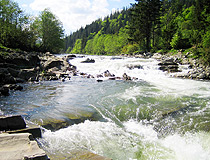
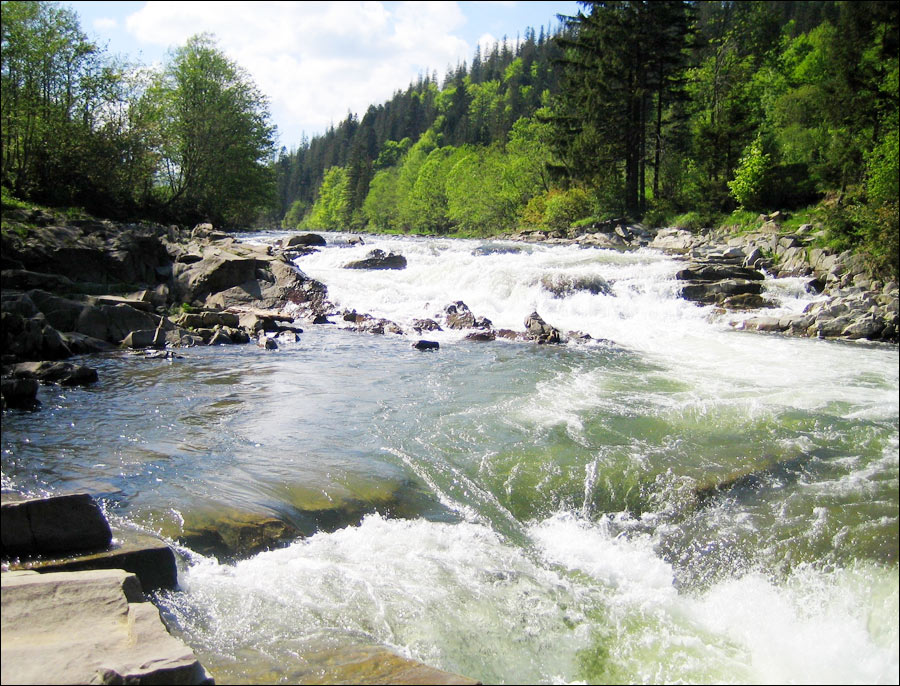
Stream in the Ivano-Frankivsk region
Author: Ihor Bobyk
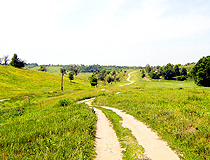
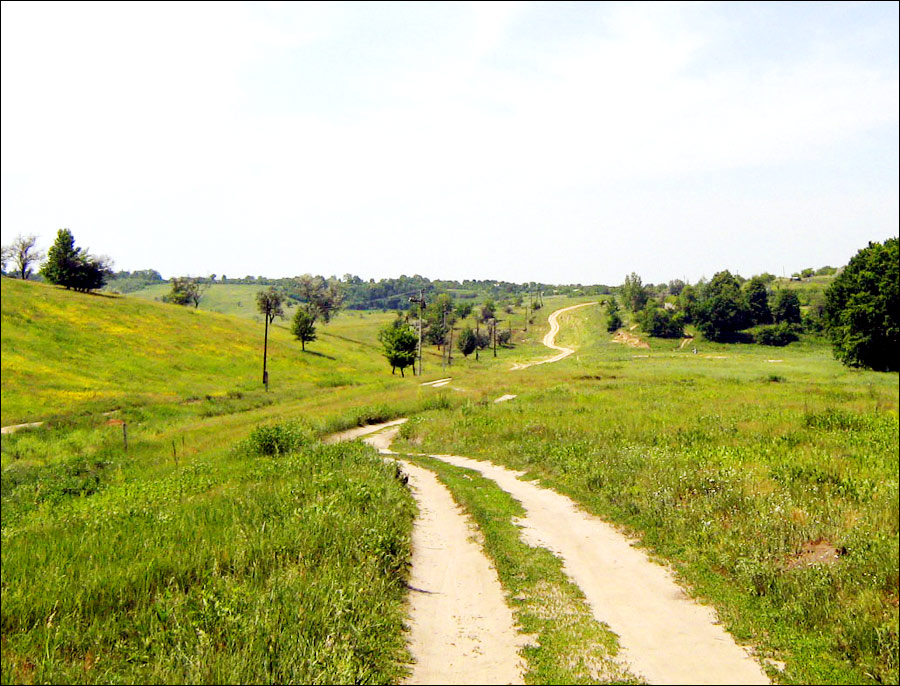
Road in the Kharkiv region
Author: Bondarev Pavel
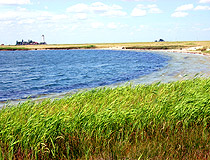
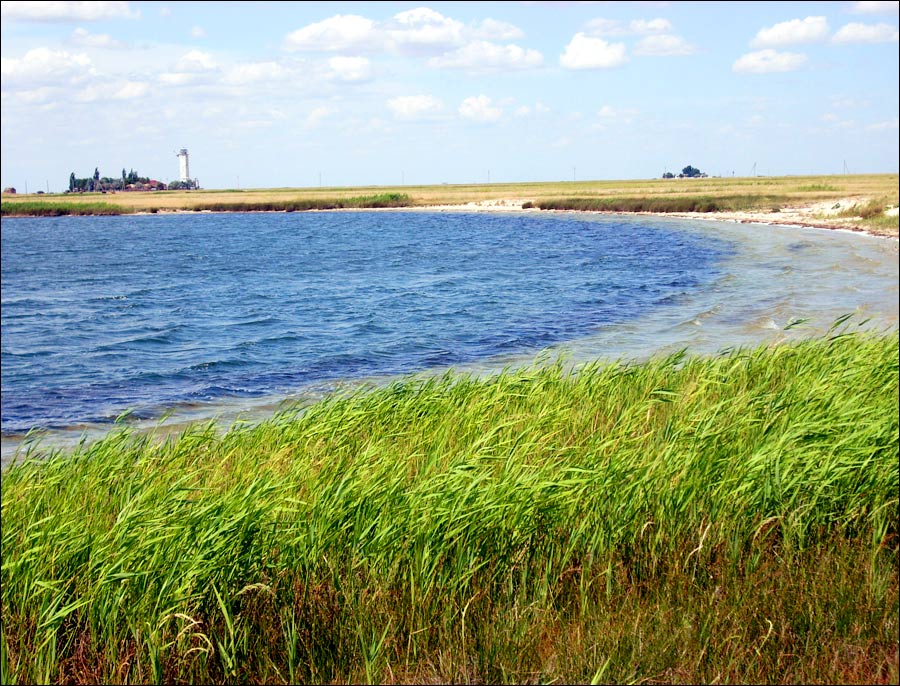
On the shore in the Kherson region
Author: Sergey Pavlenko
Flora and Fauna of Ukraine
Ukraine occupies one of the last places in Europe in terms of forest area, with a European average of 27%, the forest cover of Ukraine is only 15.7%. At the same time, if you remove from the statistical reports different forest belts and pine monocultures, the area of natural forests is only about 10%.
On the territory of the country there are a lot of unique natural places, where rare relic animals live. In the forest zone, there are such animals as elks, wild boars, red deer, red squirrels, foxes, wolves, brown bears, lynxes. In the steppe zone, you can find ground squirrels, hamsters, marmots. Some fur-bearing animals - nutria, neovizon, muskrat - were brought from other parts of the world and well acclimatized in Ukraine.
The fauna on the Azov and Black seas coasts in the deltas of rivers is very diverse. There are a lot of birds: gulls, ducks, herons, pelicans, cormorants. In the Black and Azov seas there are sturgeon, mackerel, horse mackerel, mullet, herring. In rivers, lakes and artificial reservoirs, there are perch, bream, pike perch, pike, crucian carp, carp, and trout in the Carpathian rivers. The fauna of the Crimea is unique.
It is possible to hunt for elks, deer, wild boars, hares, foxes, wild geese, ducks in the hunting farms found practically in all regions of Ukraine.
Ukraine has 11 national natural parks, 4 biosphere reserves, 16 nature reserves, numerous arboretums, and a lot of monuments of landscape art.
The most famous are Askania-Nova (Kherson region), Shatsky National Nature Park (Volyn region), dendrological parks - Sofiyivka (Cherkasy region), Oleksandriya (Kyiv region), Trostyanets (Chernihiv region) , as well as nature monuments - Dovbush Rocks in the Ivano-Frankivsk and Lviv regions, Kamyana Mohyla in the Donetsk and Zaporozhye regions, Grand Canyon of Crimea.