Zhovti Vody - Overview
Zhovti Vody is a small city located in Dnipropetrovsk Oblast of Ukraine. It is one of the youngest cities in the country. It stands on the banks of the Zheltaya (Yellow) River. The name of the city means “yellow waters”.
The population of Zhovti Vody is about 42,000 (2021), the area - 33 sq. km.
The phone code - +380 5652, the postal codes - 52200-52210.
History of Zhovti Vody
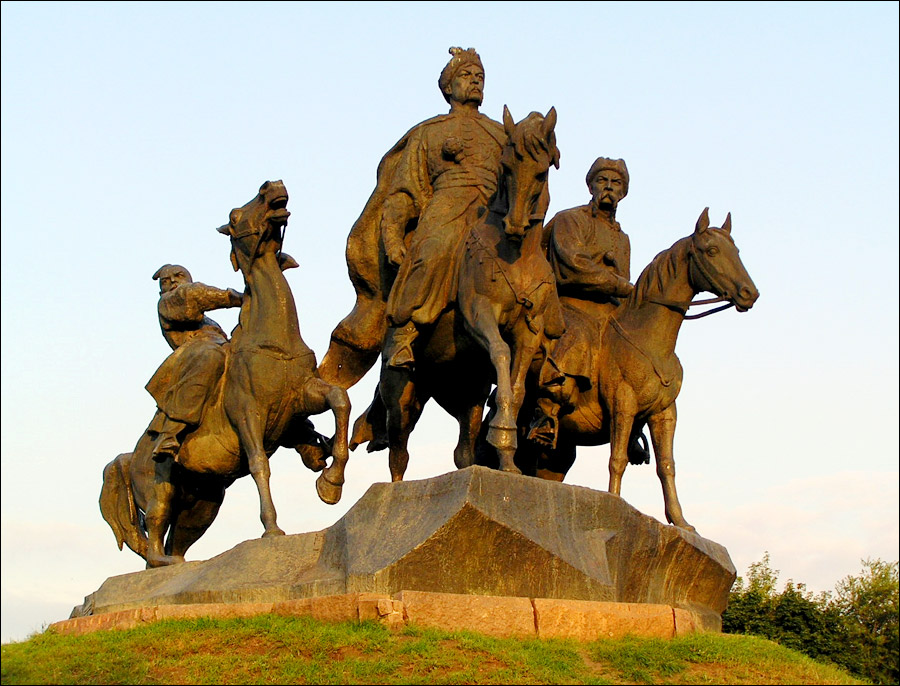
The name of the city is closely related to the Zheltaya (Yellow) River. On May 16, 1648, in the tract of Zhovti Vody, the battle of the Ukrainian-Tatar army under the leadership of Bohdan Khmelnytsky with the troops of the Commonwealth under the leadership of Stefan Potocki took place. This battle was the beginning of the Ukrainian-Polish war of 1648-1657.
The first settlement appeared on the banks of the Zheltaya River in the middle of the 17th century, and it was named Zheltoye.
By the end of the 18th century, the population of the village was about 200. Rich deposits of iron ore were discovered nearby at the end of the 19th century. In 1950, deposits of uranium ore were discovered here.
In 1957, the settlement of Zheltaya Reka (“yellow river”) located near the Zheltaya River was renamed into the city Zhovti Vody (“yellow waters” in Ukrainian).
The city was built not on the bank of the river, but on a flat plateau as the lowland surface was favorable for the construction.
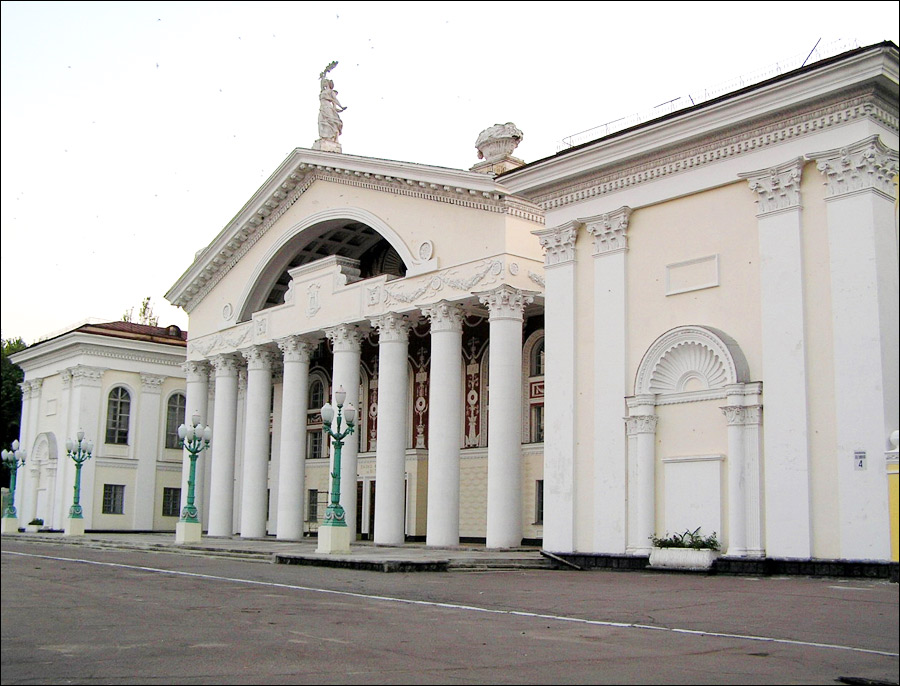
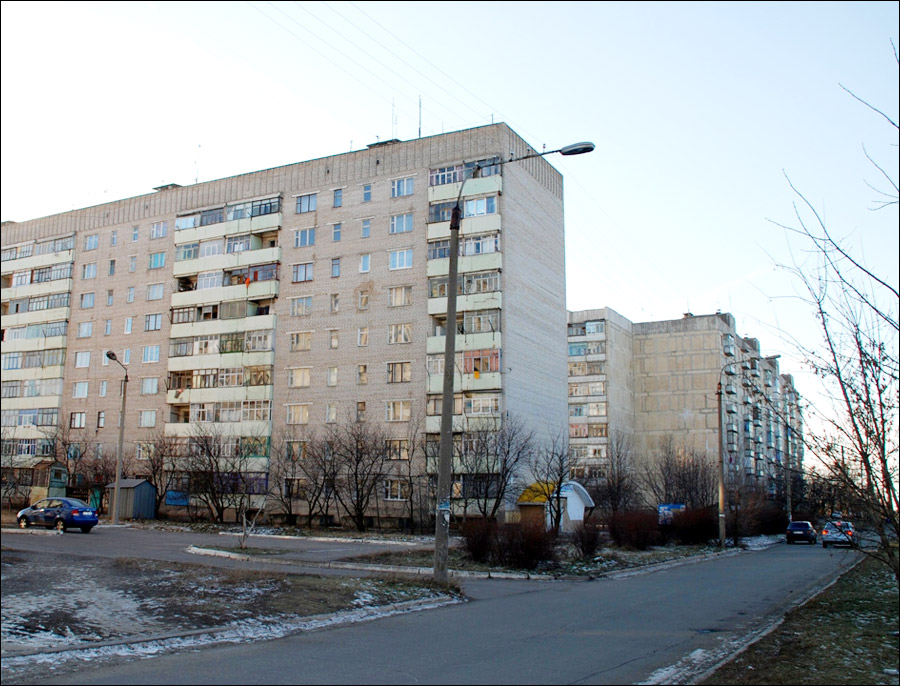
Zhovti Vody views
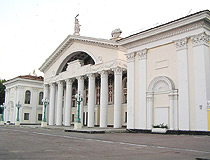
Palace of Culture in Zhovti Vody
Author: Oleg Lomov
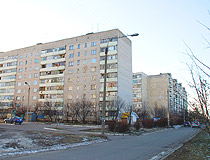
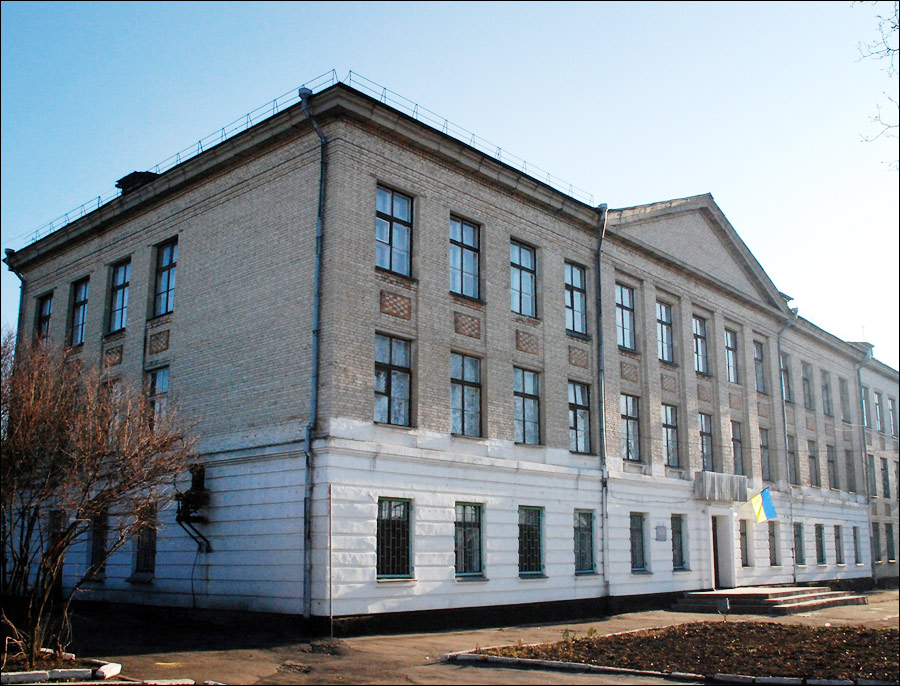
Zhovti Vody street
Author: Oleg Lomov
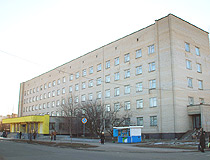
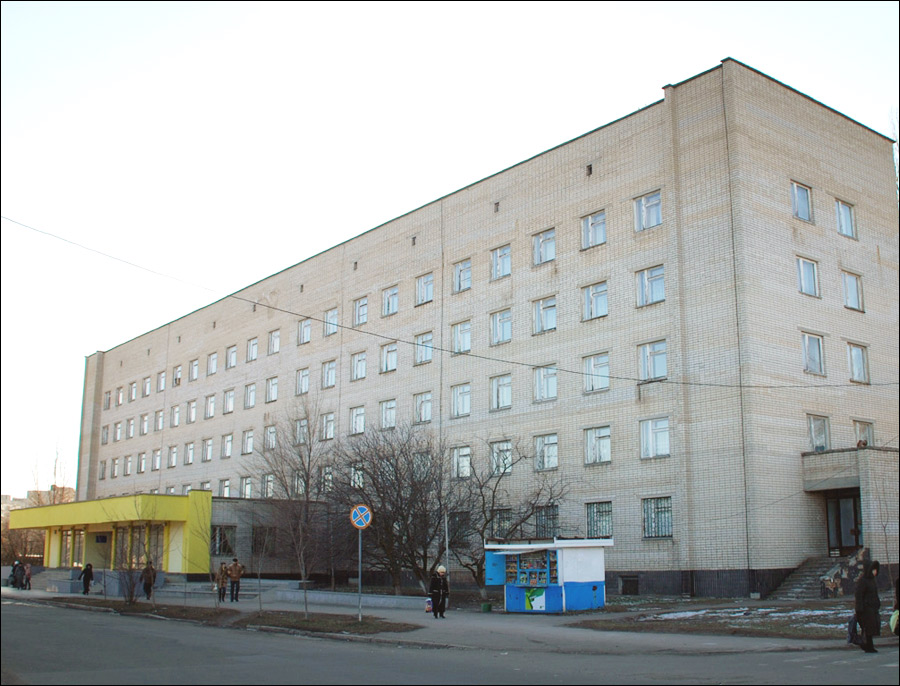
Hospital in Zhovti Vody
Author: Oleg Lomov
Zhovti Vody - Features
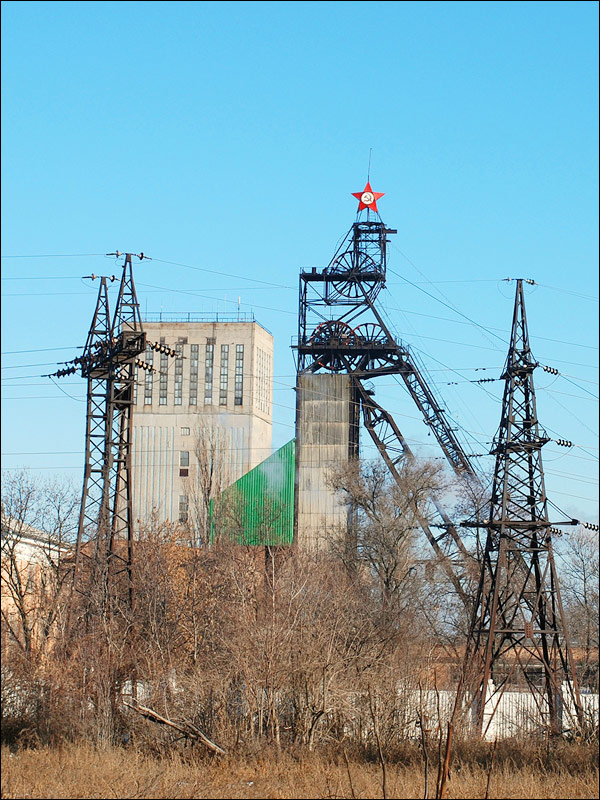
Zhovti Vody has such industrial facilities as the Eastern Mining and Processing Plant (one of the largest uranium mining centers in the world), Yuzhny radio plant and “Electron” plant (production of radio and electronic gadgets for military purposes).
There are construction plants and food industry plants, an artificial fur factory where Olympic Mishka (“bear”) was produced for Summer Olympic Games held in Moscow in 1980.
The city has the Ukrainian Scientific Research and Design Institute of Industrial Technology. The main purpose of this institution is general design and project support of nuclear fuel cycle objects, research and design of activities in the field of the problems related to radioactive waste from nuclear power stations.
In the 1950s, Zhovti Vody had an airfield and two railway stations. Today, the airfield land is used for vegetable gardens, and the railway has exclusively industrial importance, it is not electrified.
Zhovti Vody is a very green city. Most of the city is literally located in the forest. In addition, it has two parks - the Park of Glory and the Children’s Park. The third park is laid in the new district of the city.