
10
The Sviatohirsk Lavra – the Most Picturesque Monastery of Ukraine
No comments · Posted by Sergei Rzhevsky in Regions, Religion, Travel
In Ukraine, there are only three monasteries, which have the highest spiritual title of Lavra – Kyiv-Pechersk Lavra, Pochayiv Lavra and Sviatohirsk Lavra.
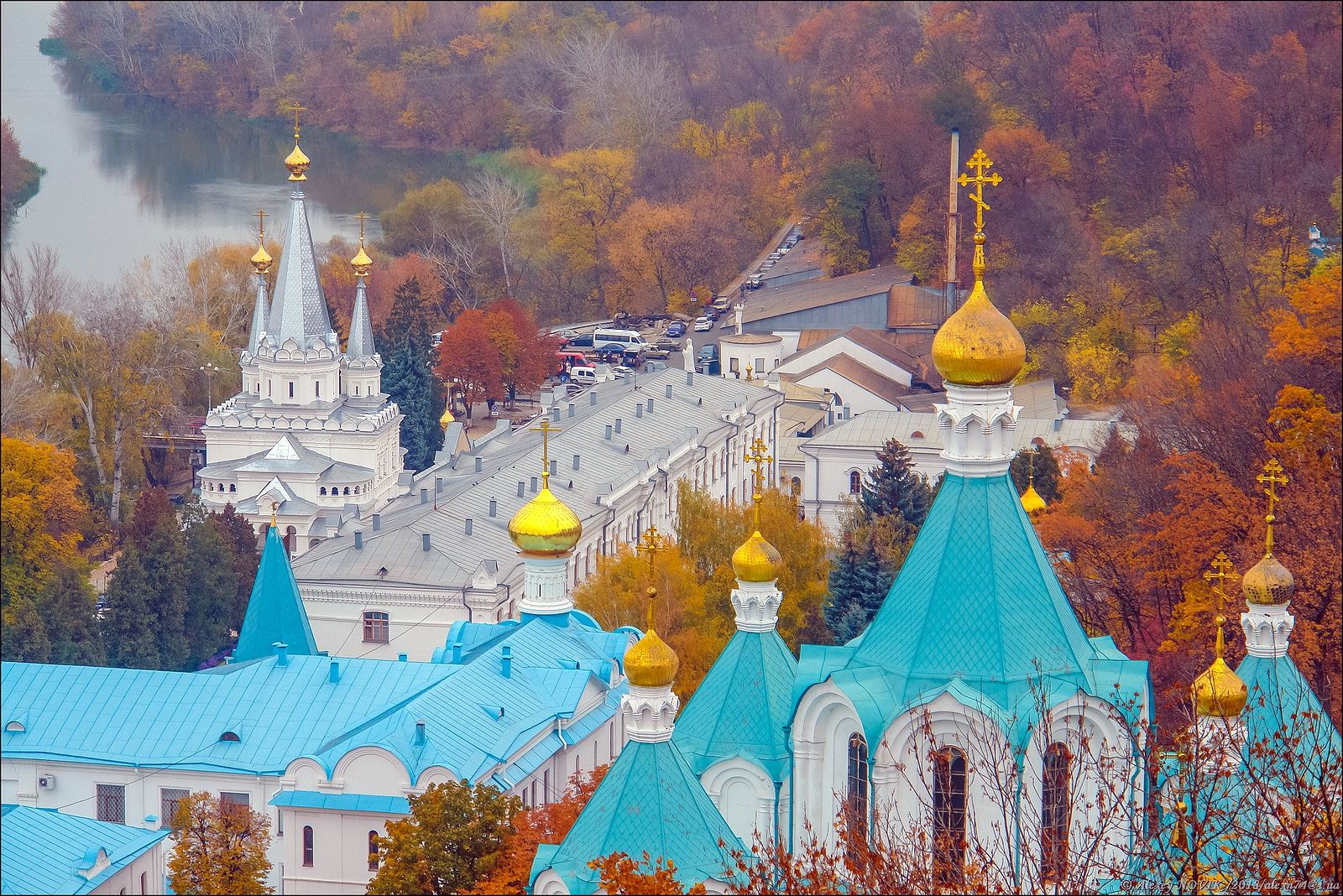
The Holy Assumption Sviatohirsk Lavra (also known as The Holy Mountains Lavra, Sviatohirsk Cave Monastery), an important spiritual center of eastern Ukraine and southern Russia, was first mentioned in written sources in 1526. Sviatohirsk Lavra on Google Maps. Photos by: Alexey Novik.
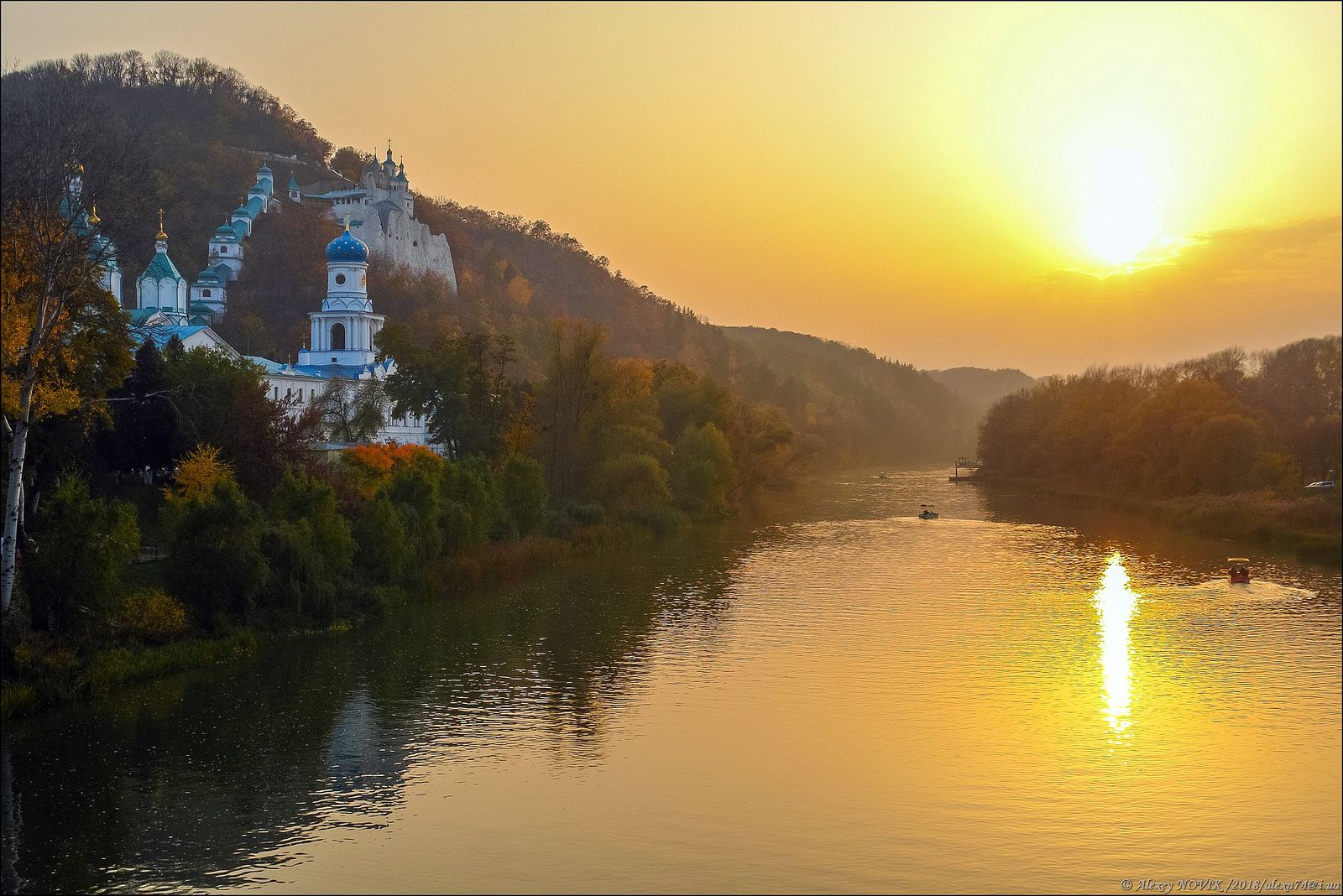
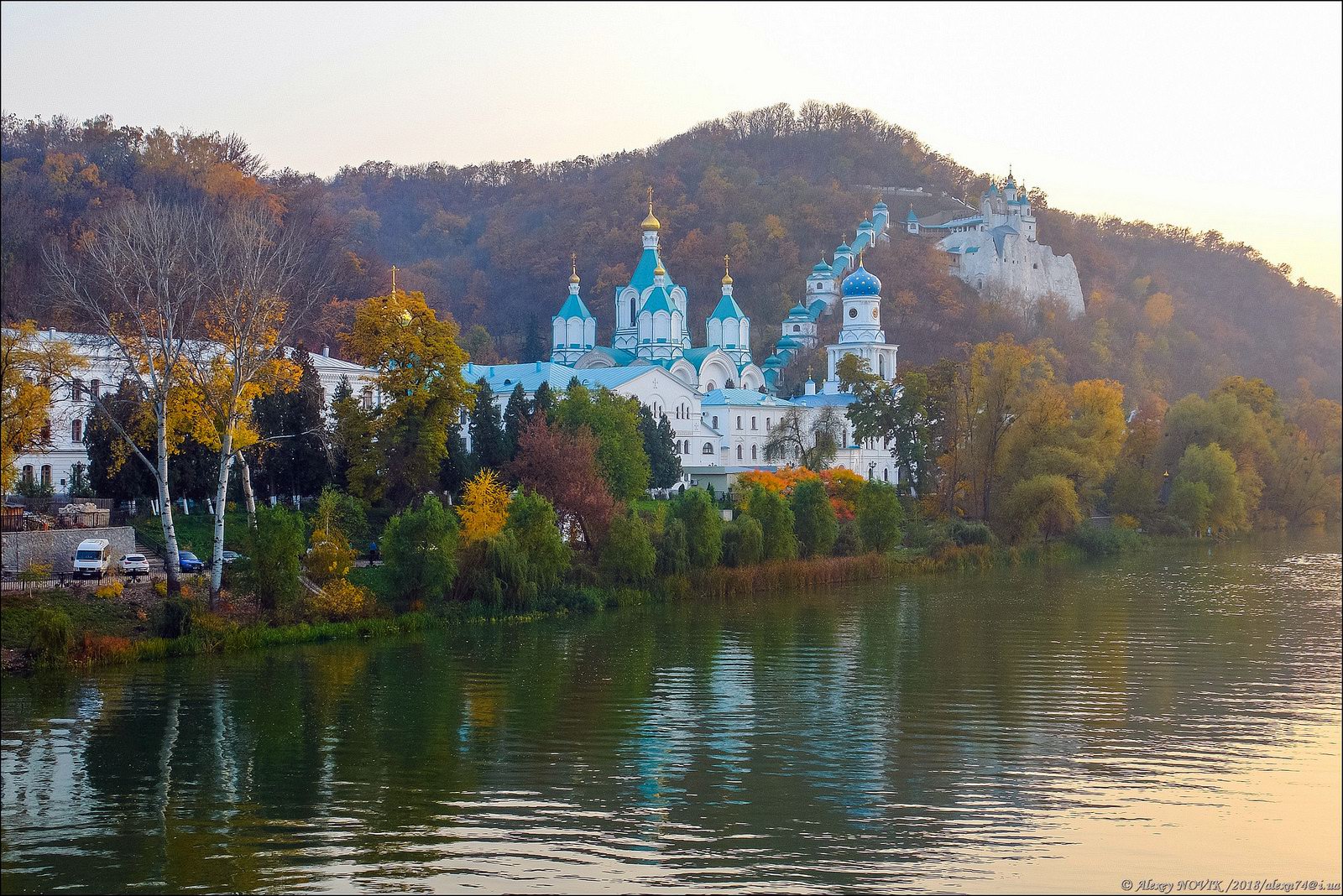
This beautiful Orthodox monastery is located on the right high chalk bank of the Siverskyi Donets River (on the so-called Holy Mountains, in the national park of the same name) within the small town of Sviatohirsk in the north of Donetsk Oblast.
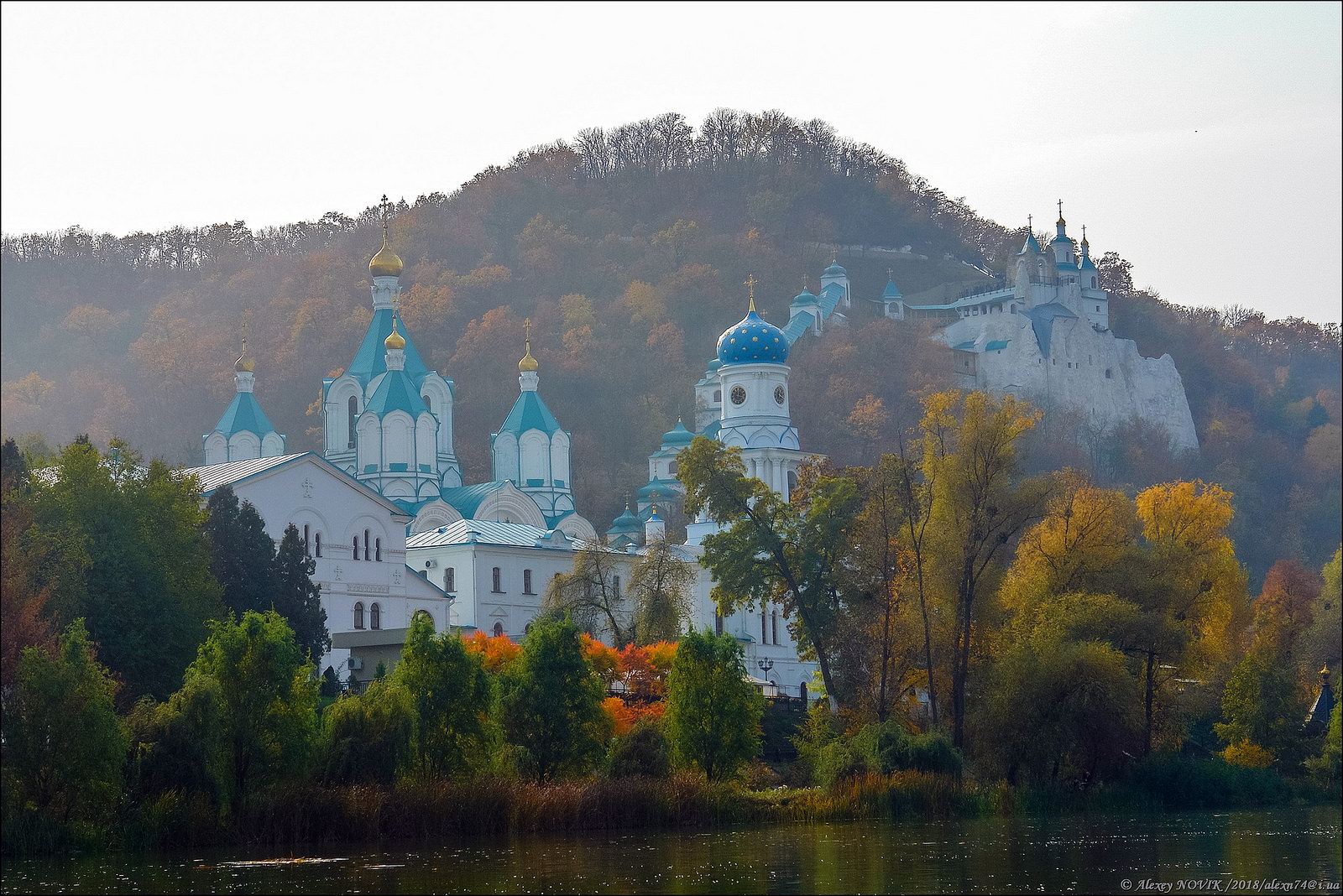
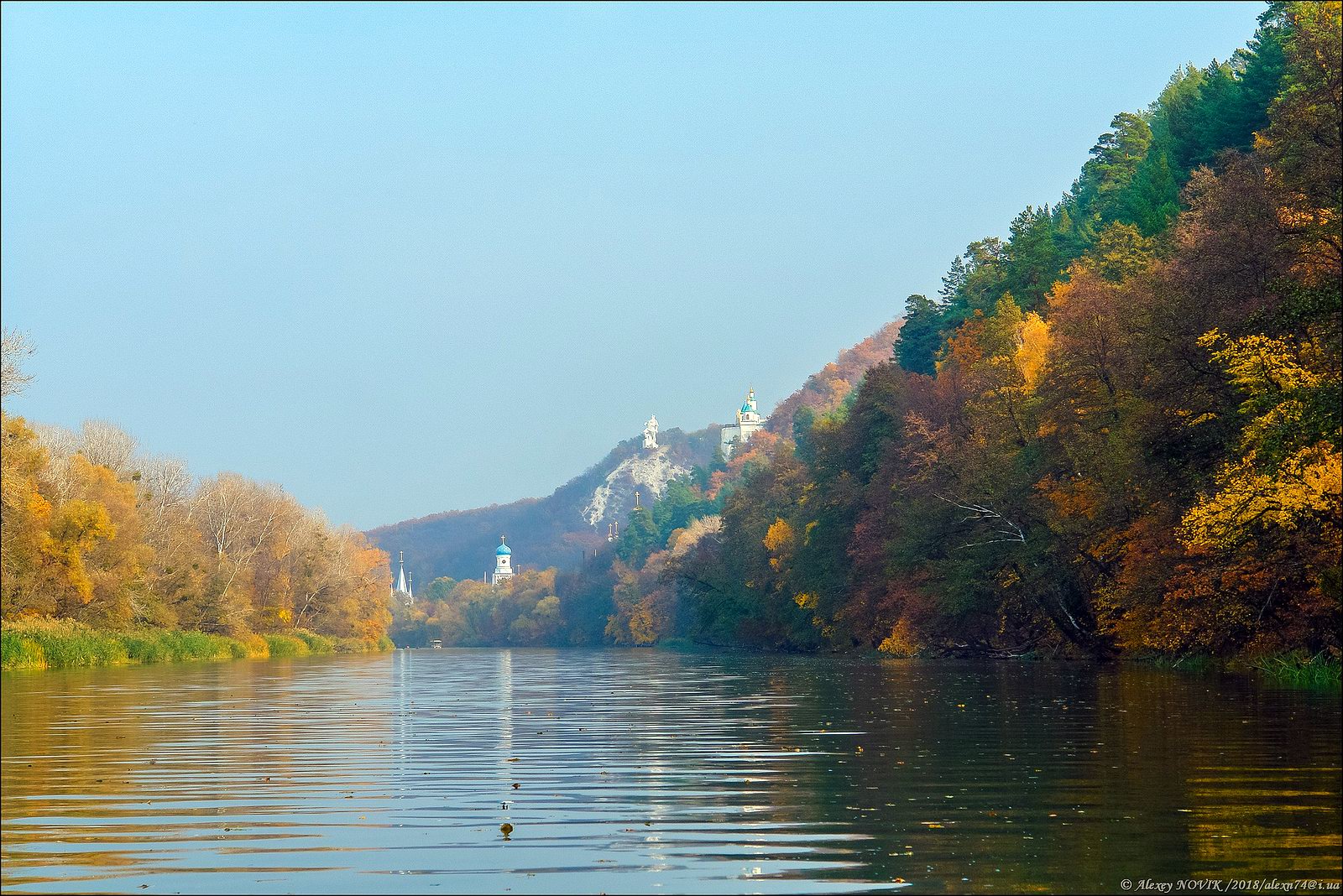
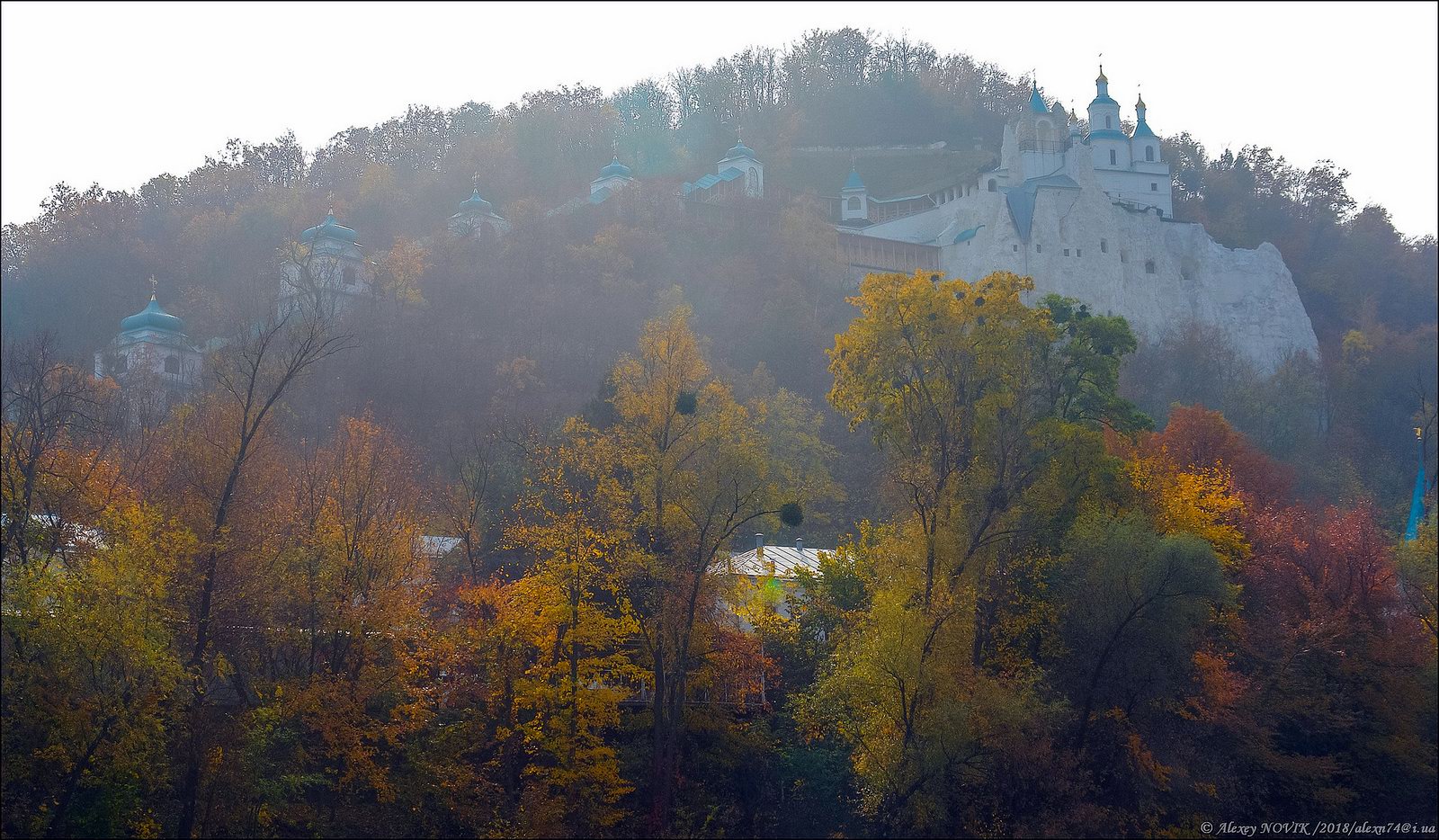
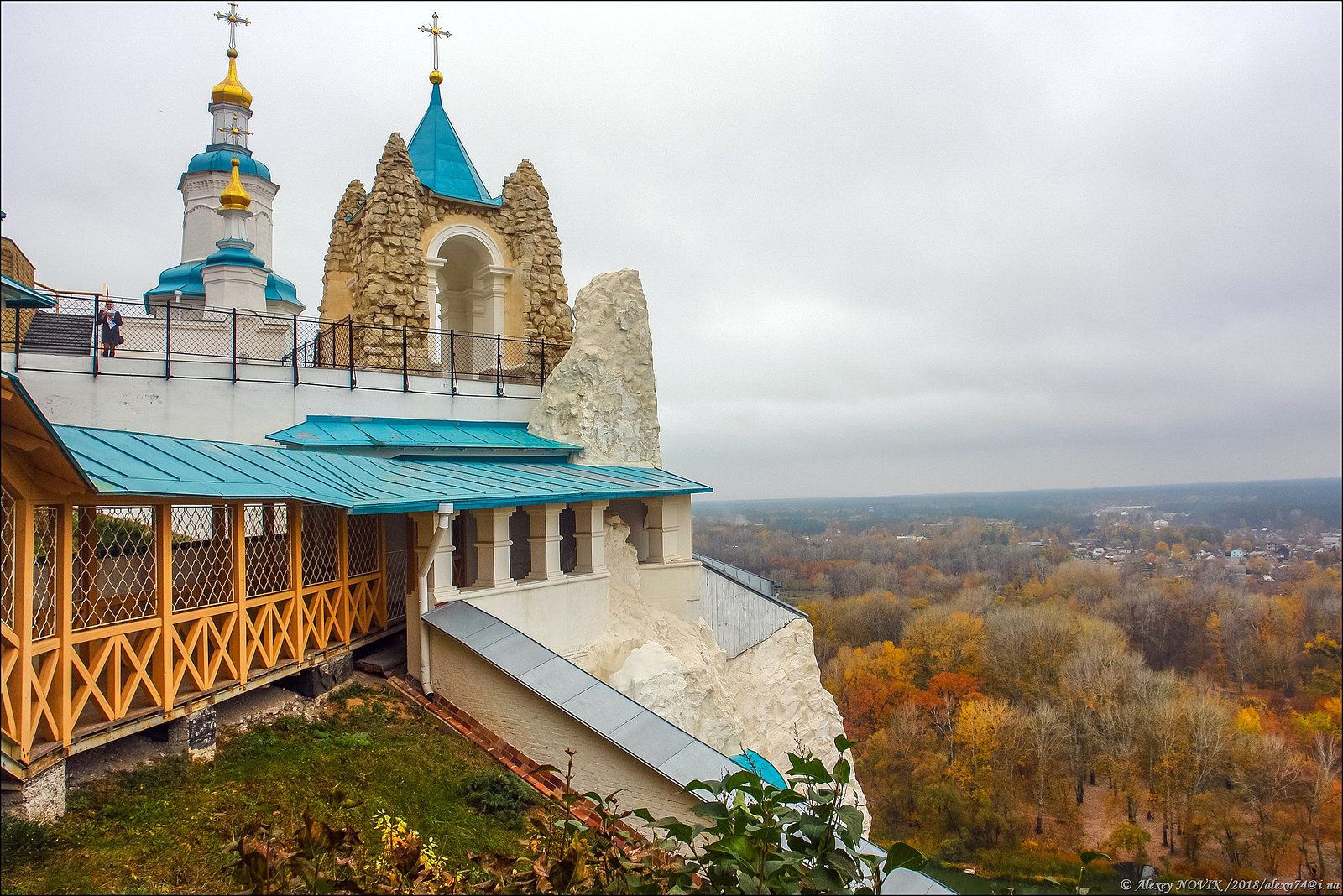
The highest point of the monastery – the Chapel of St. Andrew the First Called and St. Nicholas Church.

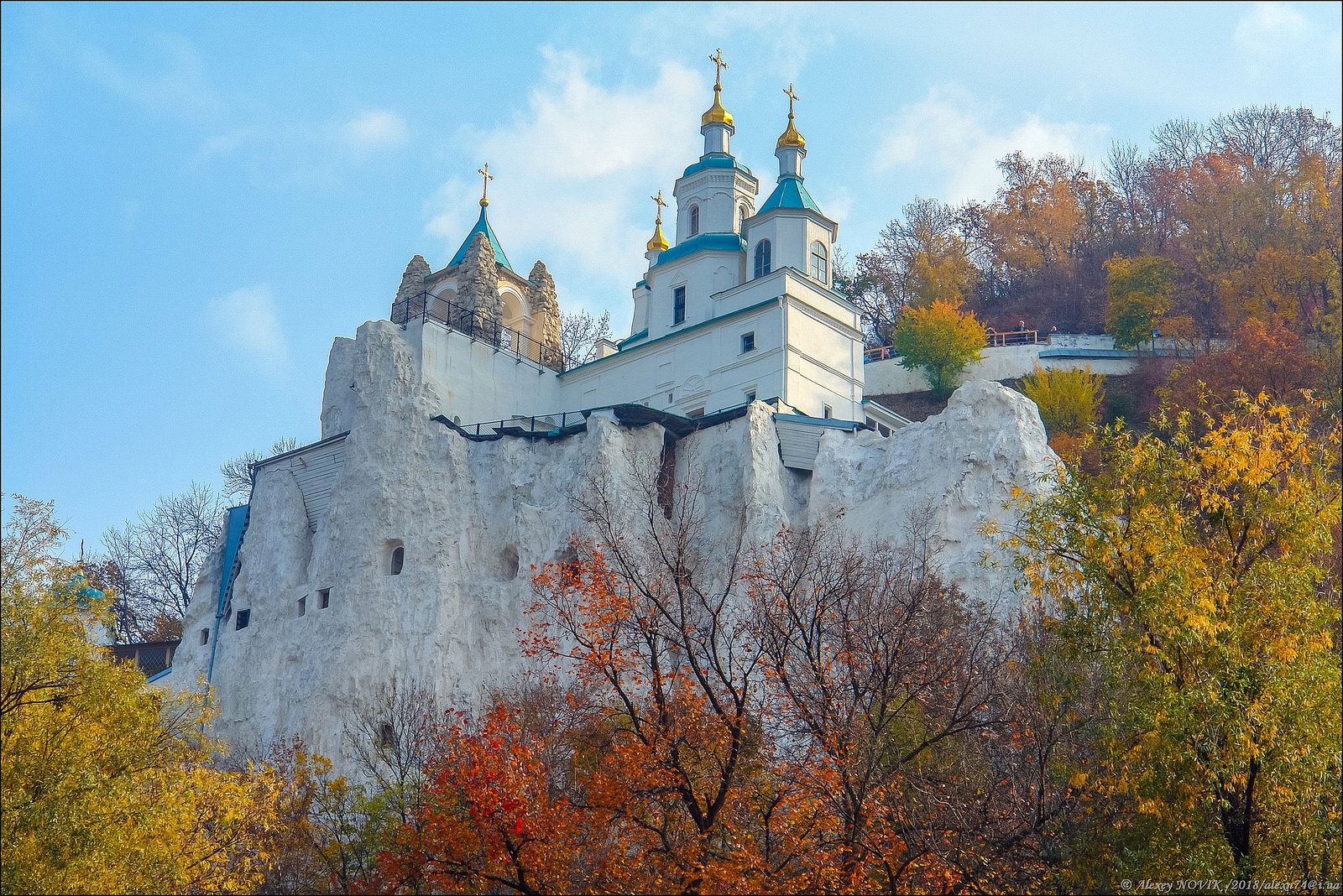
Autumn in Sviatohirsk Lavra.
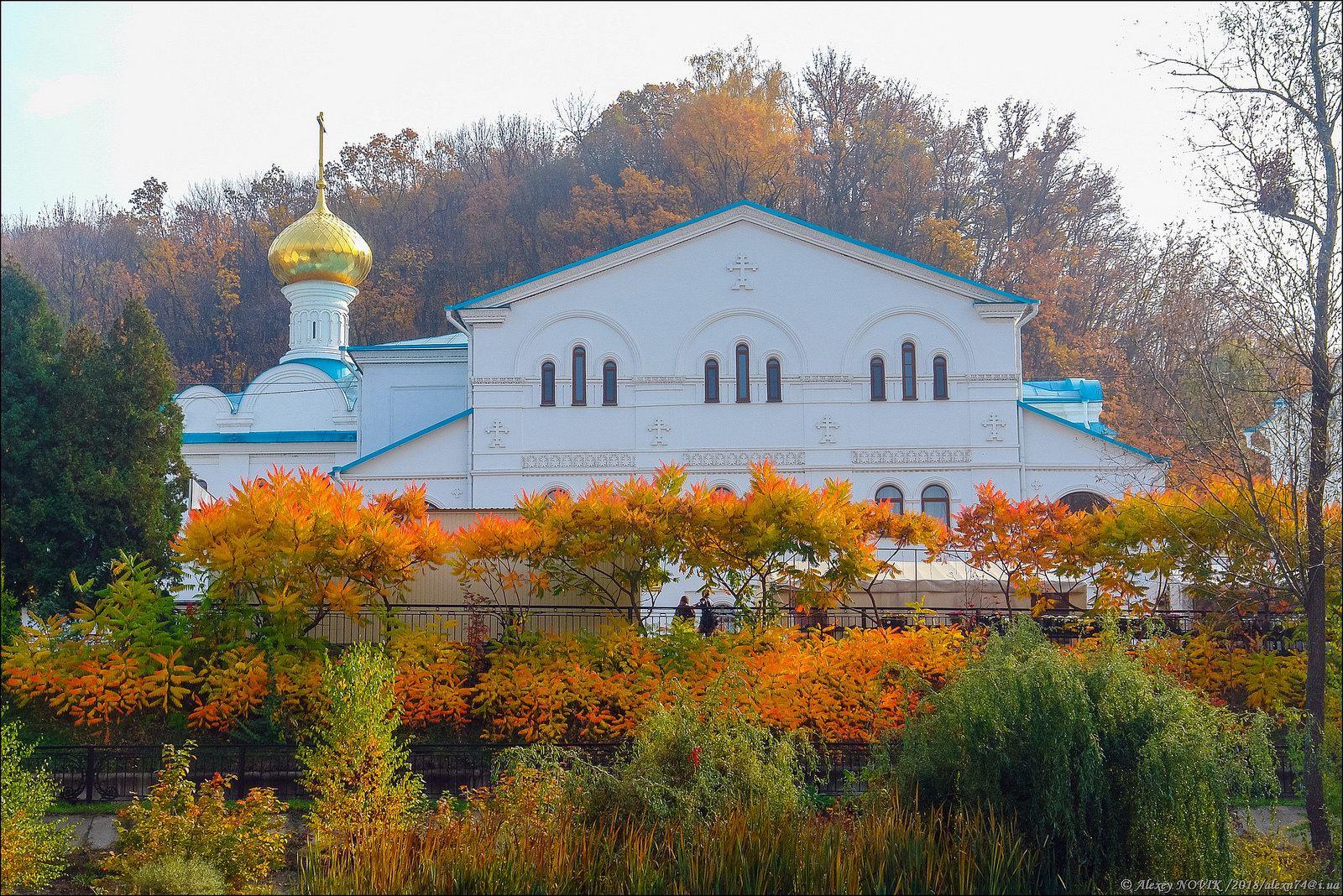
The statue of the Virgin Mary at the entrance to the monastery.

Sviatohirsk Cave Monastery probably dates back to the time before the Mongol invasion, when Batu Khan destroyed Kyiv. Although the first written mention of this monastery dates back to 1526, Academician D. I. Bagaliy wrote in his work “From the Past of the Sviatohirsk Monastery”: “The monastery, or church, existed even in the pre-Mongol period.”
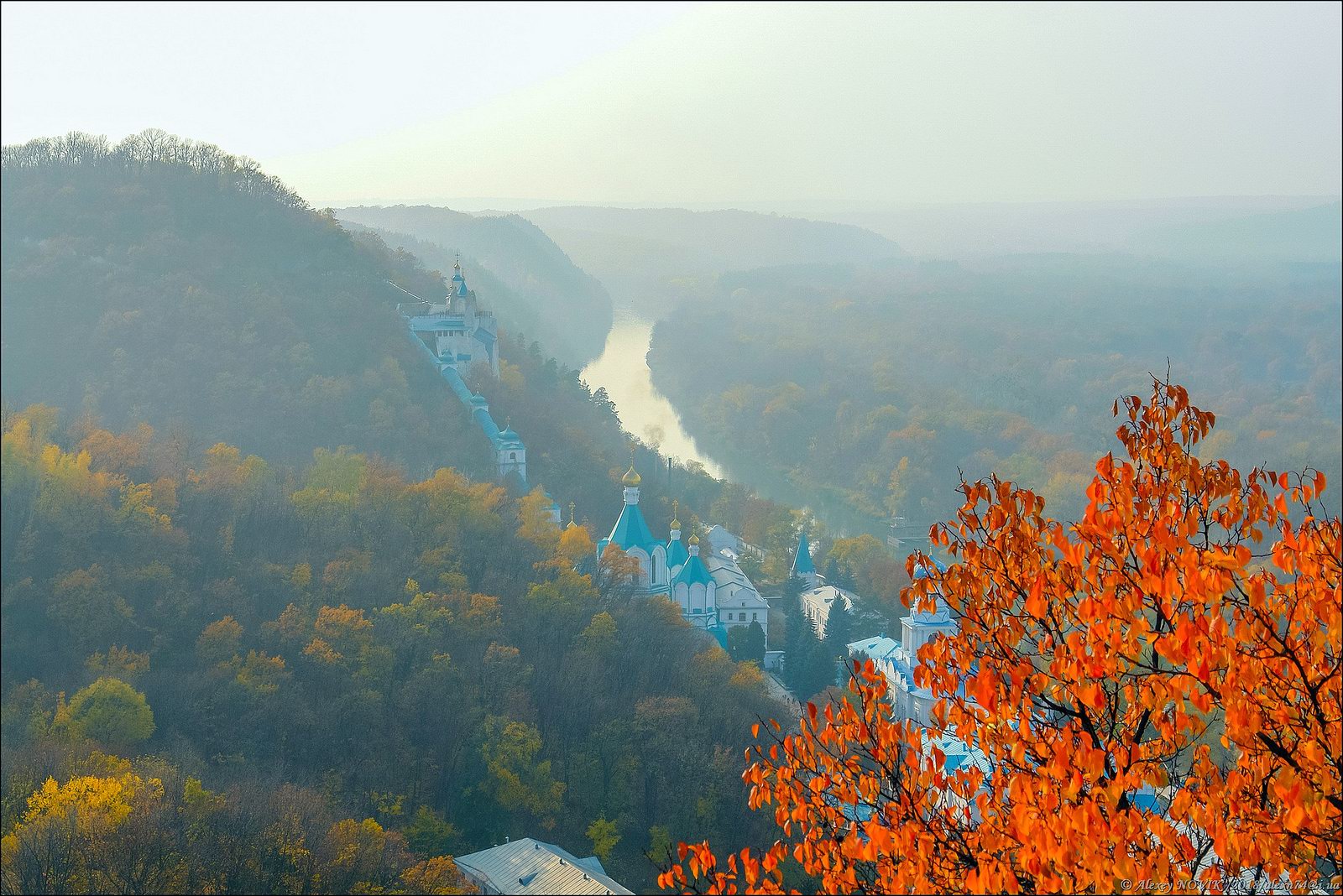
The first Christian settlements, and possibly a monastery, appeared in these mountains even before the Baptism of Rus’, when icon venerators were forced to leave Byzantium, engulfed by iconoclasm, and seek refuge outside the empire. Some hid in southern Italy, some in the Caucasus, and others, via Crimea, ascended the Don and Siverskyi Donets Rivers. This is evidenced by ancient cave monasteries along the banks of these rivers and the discoveries of archaeologists.
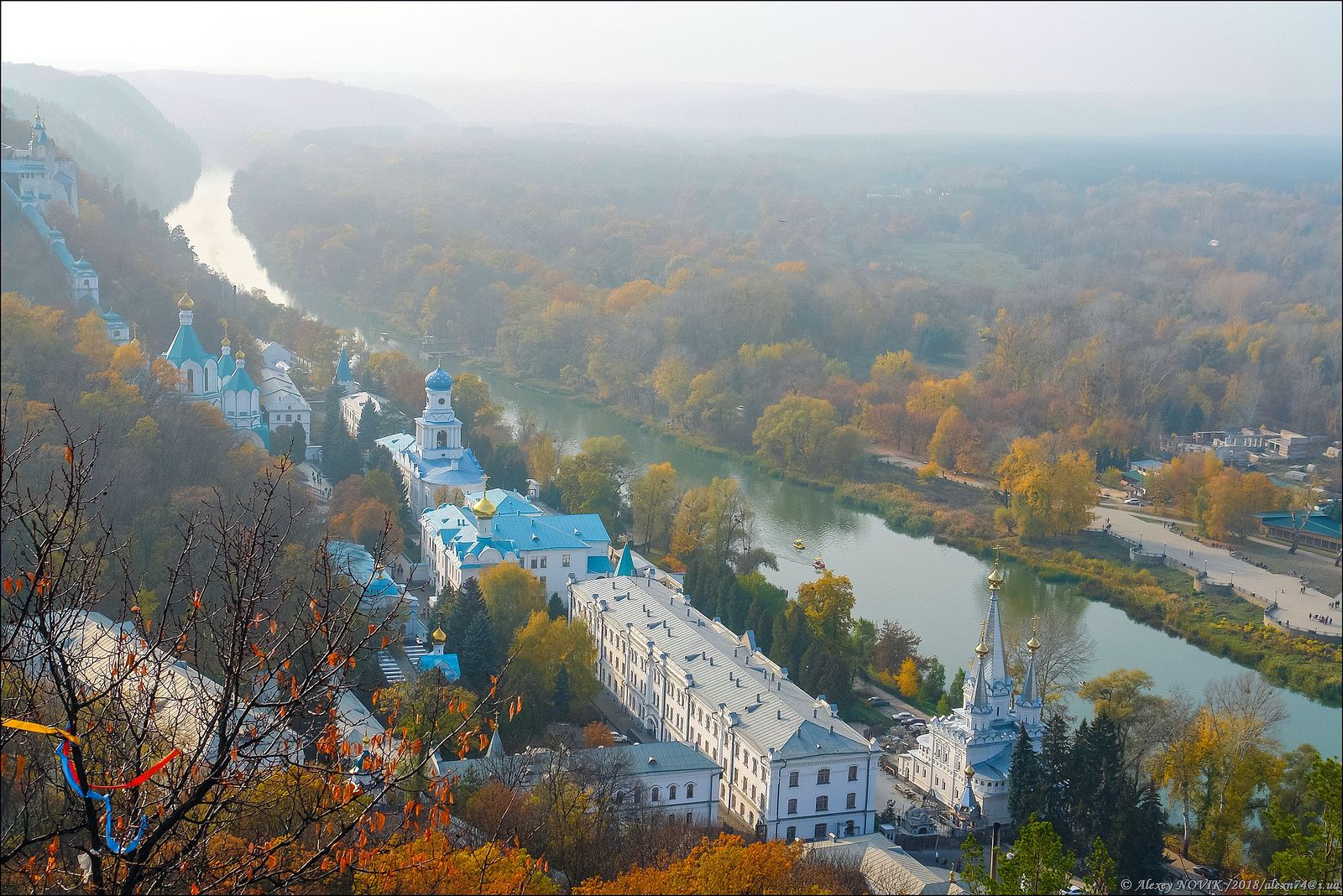
To reach the top of the cliff, you need to walk more than a kilometer through caves that were carved into the chalk more than a thousand years ago.

It was in this region that Saints Cyril and Methodius preached the Orthodox faith to the Khazars in the mid-9th century. The Hypatian Chronicle also testifies to ancient Christian settlements in this area, stating that local Christians met Grand Prince Vladimir Monomakh here in 1111.
Throughout almost the entire history of the monastery, these caves served as a refuge for monks during times of persecution. In the 13th century, Christians sought refuge here from the Mongol-Tatar hordes of Batu Khan; in the 16th and 17th centuries, the monastery served as an outpost on the border with the Tatar steppe and Catholic Poland. It was here that the brethren of the Pochayiv Lavra, zealous for the Union, resettled during these times.
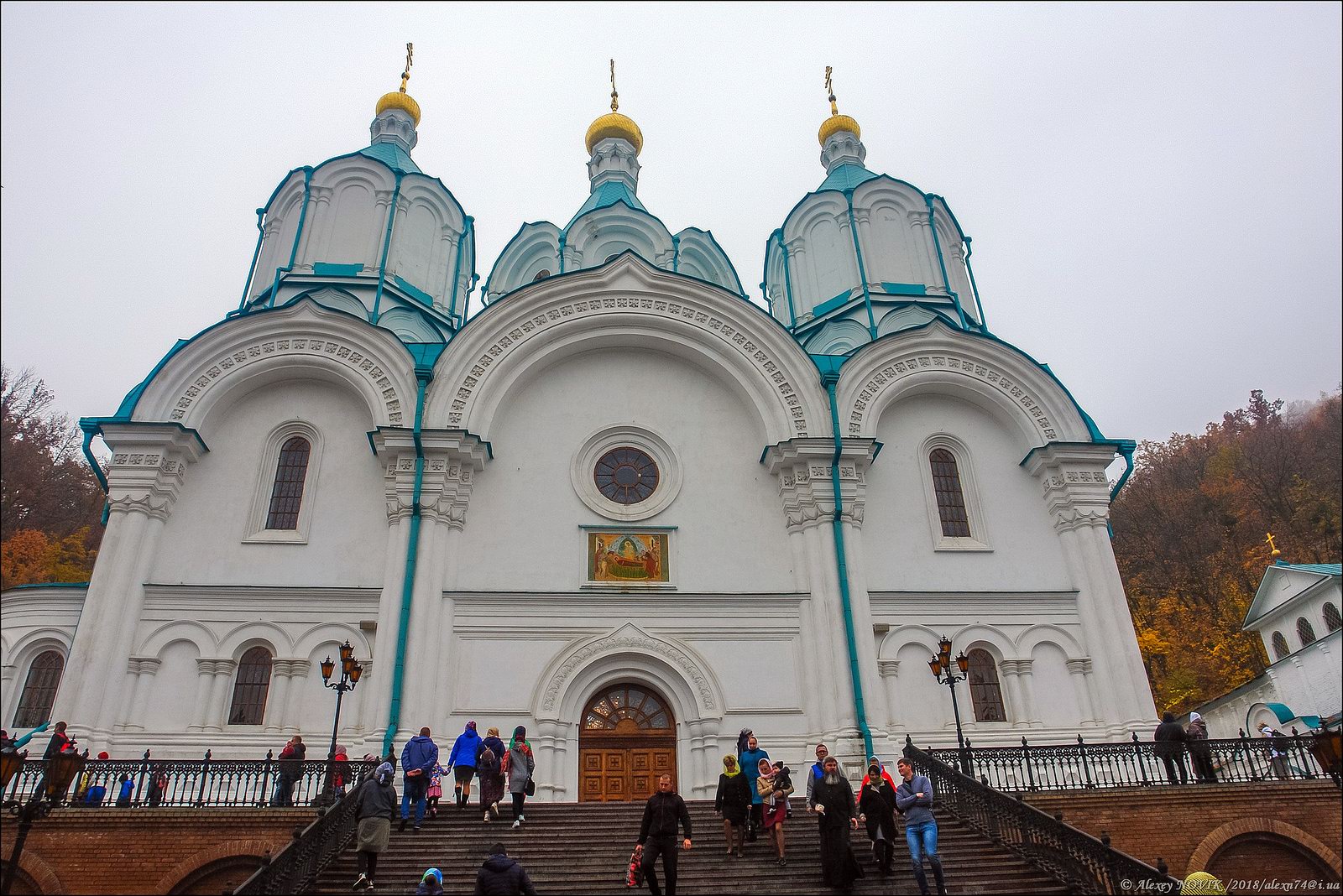
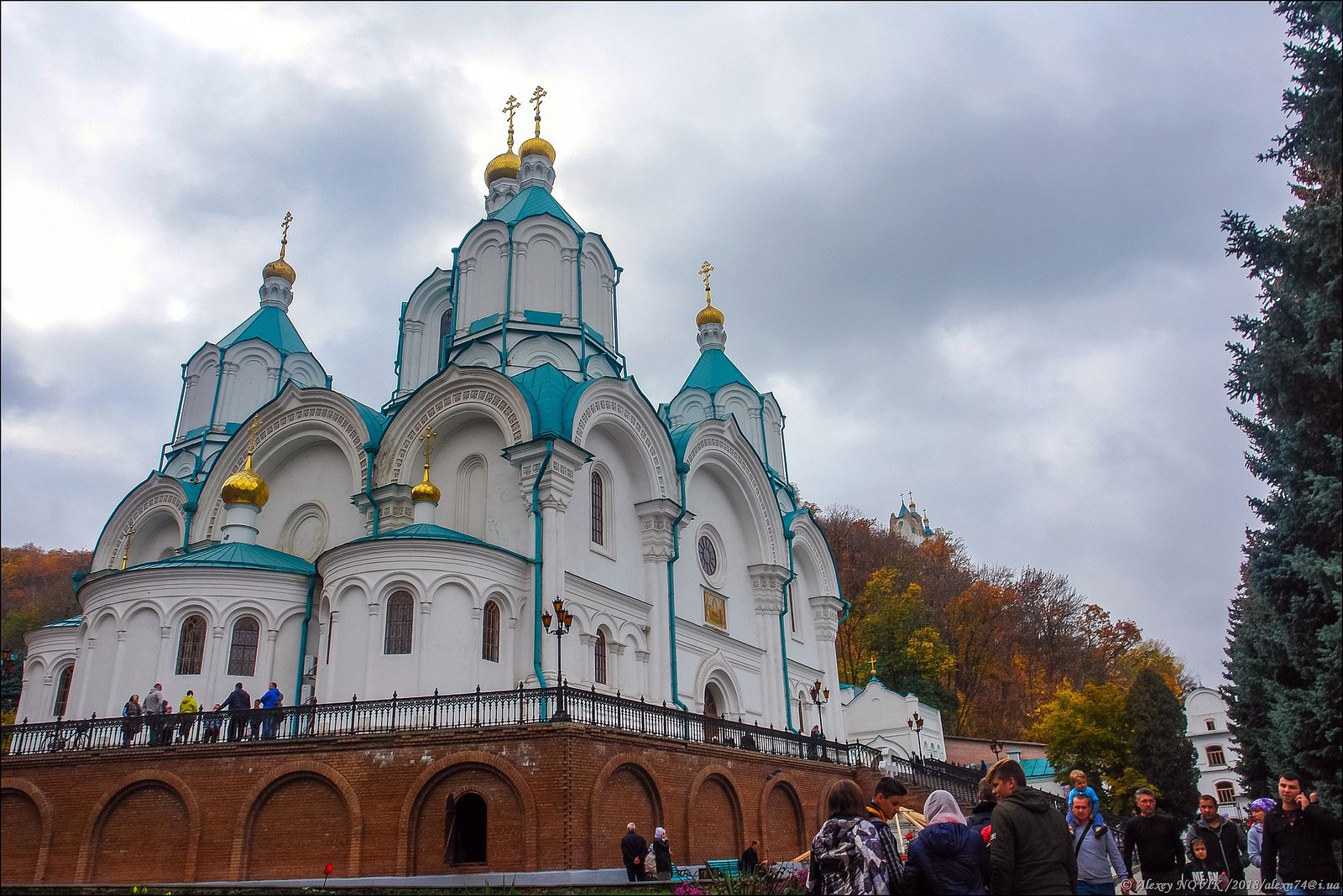
Assumption Cathedral.
The bell tower of the Intercession Church.

The monastery was protected by a river on one side and dense forests on the other. This allowed the Izyum Regiment, on whose territory the monastery was located until 1764, to successfully repel enemy attacks. In particular, the Crimean Tatar army attacked it five times (in 1664, 1679, 1680, 1691, and 1737) but failed to destroy it. Each time, the monastery was rebuilt. After Crimea became part of the Russian Empire in 1788, the monastery lost its military significance.

In 1787, by decree of Russian Empress Catherine II, the Sviatohirsk Monastery was abolished, and the villages, lands, and estates belonging to it were confiscated by the treasury. In 1790, Prince Potemkin-Tavrichesky became the new owner of Sviatohirsk. The monastery remained abolished for almost 57 years.
The monastery was reopened only in 1844. Fifteen years later, construction began on the monumental Assumption Cathedral, 53 meters high and 42 meters long. Opposite it, the Church of the Intercession, with its bell tower containing eight bells, had stood since 1851.

Before World War I, the Sviatohirsk Monastery housed approximately 600 monks. In 1922, it was liquidated, and the Artyom Sanatorium was established in its place named after Fyodor Andreevich Sergeev (1883-1921) (better known as “Comrade Artyom”) – Russian revolutionary, Soviet political, state and party figure. The Sviatohirsk Monastery reopened in 1992.


Tags: church · Donetsk oblast
You might also like:

<< How Ukraine Supports Veterans While Regulating Betting