
4
Snowy Winter on Mount Pip Ivan Chornohora
No comments · Posted by Sergei Rzhevsky in Nature, Regions, Travel
In the Ukrainian Carpathians, there are two peaks named Pip Ivan. One of them is located in Ukraine’s highest and most popular mountain range, Chornohora, hence the peak’s name, Pip Ivan Chornohora (2,028 m), or Pipivan, or Black Mountain. It is the third-highest peak in the Carpathians and the easternmost of the six two-thousanders. Its significantly lower namesake, Pip Ivan Marmaroshsky (1,936 m), is located in the Marmarosy mountain range.
The mountain is located in the southeastern part of the mountain range, on the border of Ivano-Frankivsk Oblast and Zakarpattia Oblast. Mount Pip Ivan Chornohora on Google Maps. Photos by: Alexander Kotenko.
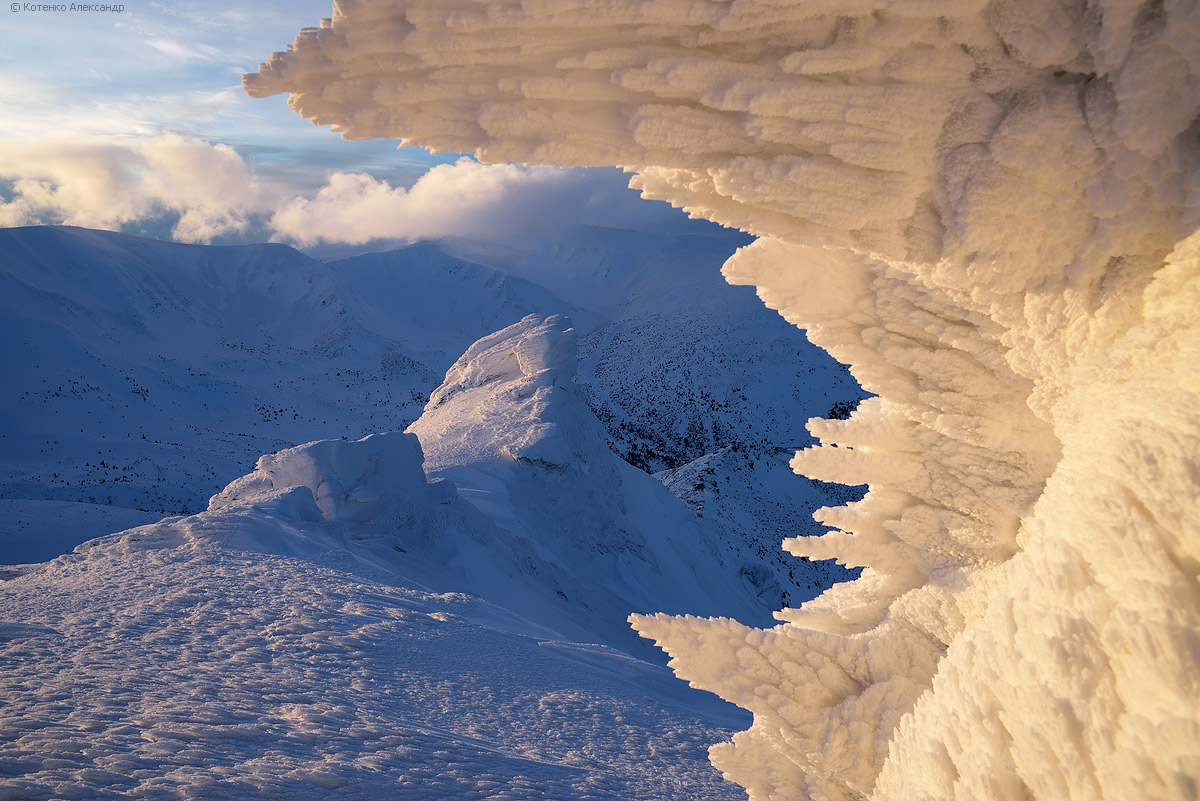
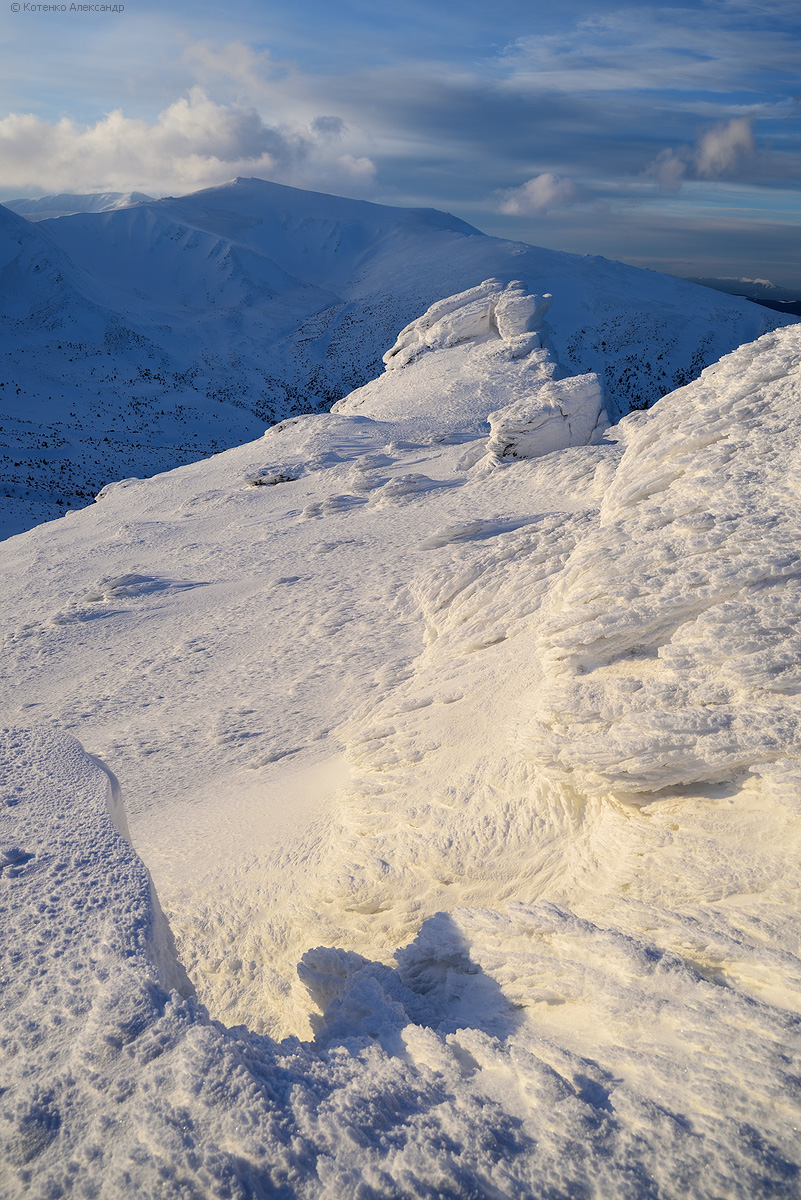
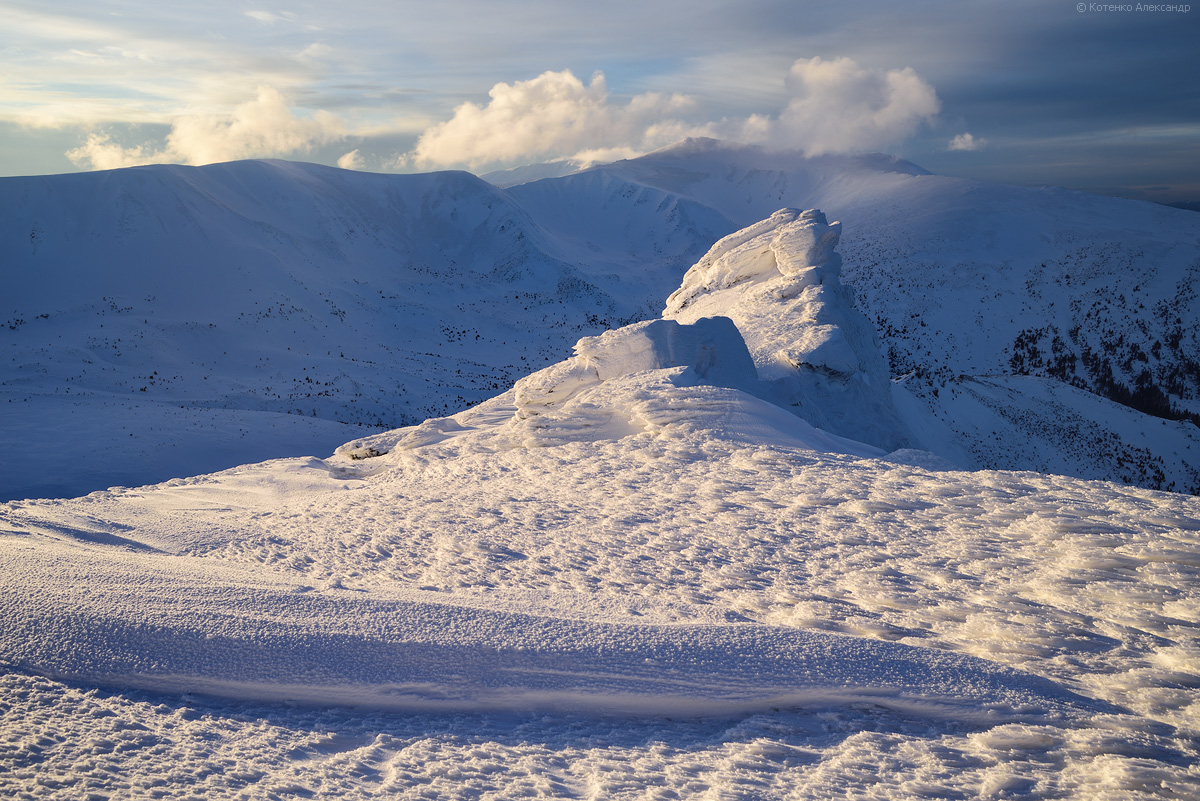
One of the main reasons for its popularity is the former Polish observatory on its summit. It is the highest structure in the Ukrainian Carpathians. It is also known as the White Elephant because in winter, a thick layer of ice and snow freezes onto its walls, making it resemble a strange animal (either an elephant or a mammoth) from a distance.
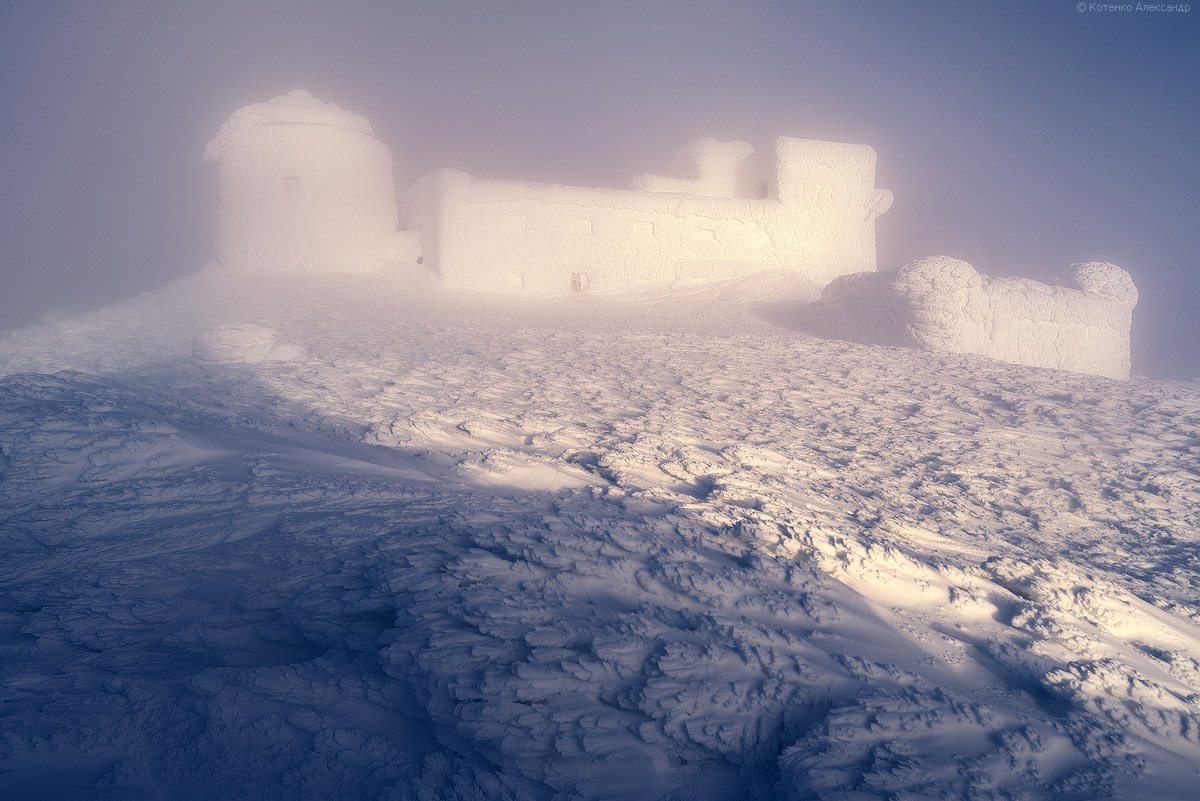
Construction of the observatory began in 1936. Local residents participated in the construction, using primarily local building materials. Lviv engineer Adolf Meissner oversaw the work, while Basel Lanevsky supervised the construction on site. The observatory covered 816 square meters, with walls up to 1.5 meters thick, central heating, a small power plant, and 43 rooms with 57 windows. The grand opening took place in 1938, but observations began as early as 1937.
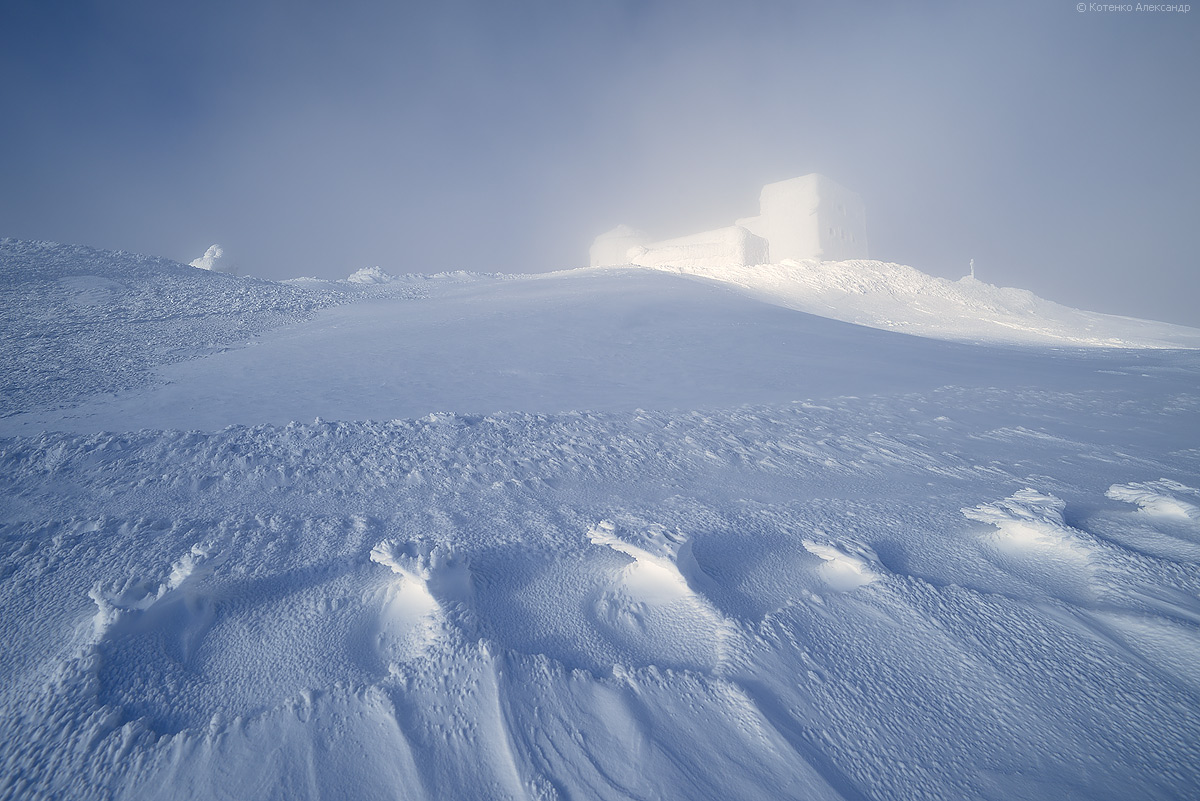
Unfortunately, the observatory’s lifespan was short-lived. With the outbreak of World War II, most of the equipment was transported to Vienna. The observatory passed into Soviet hands and served as a weather station from 1940 to 1941. In 1941, Hungarian troops occupied the building and set up an observation post there.
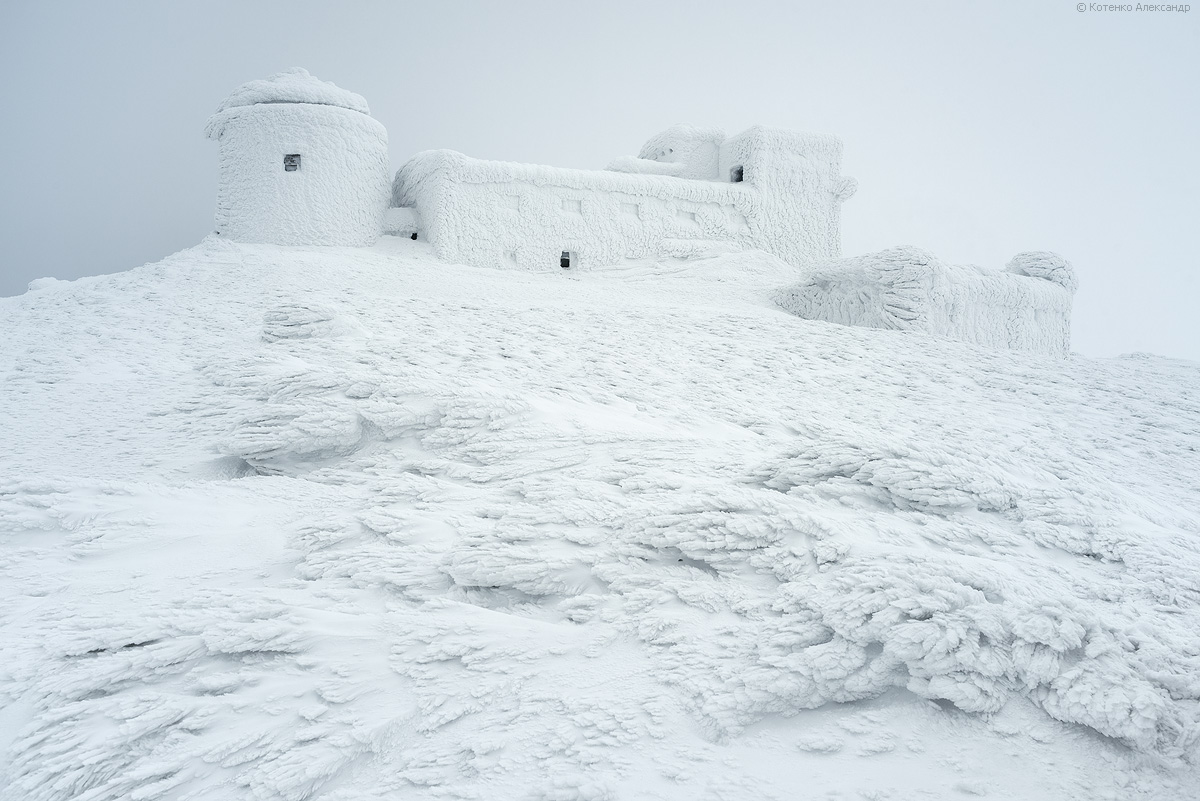

During the Soviet era in the early 1960s, restoration work was planned, possibly including the installation of a radar station. However, the project never went beyond the planned stages, and the building was abandoned, with local residents looting everything valuable. In particular, copper sheets from the roof were used to make a vat, in which shepherds in the nearby meadow still make cheese.
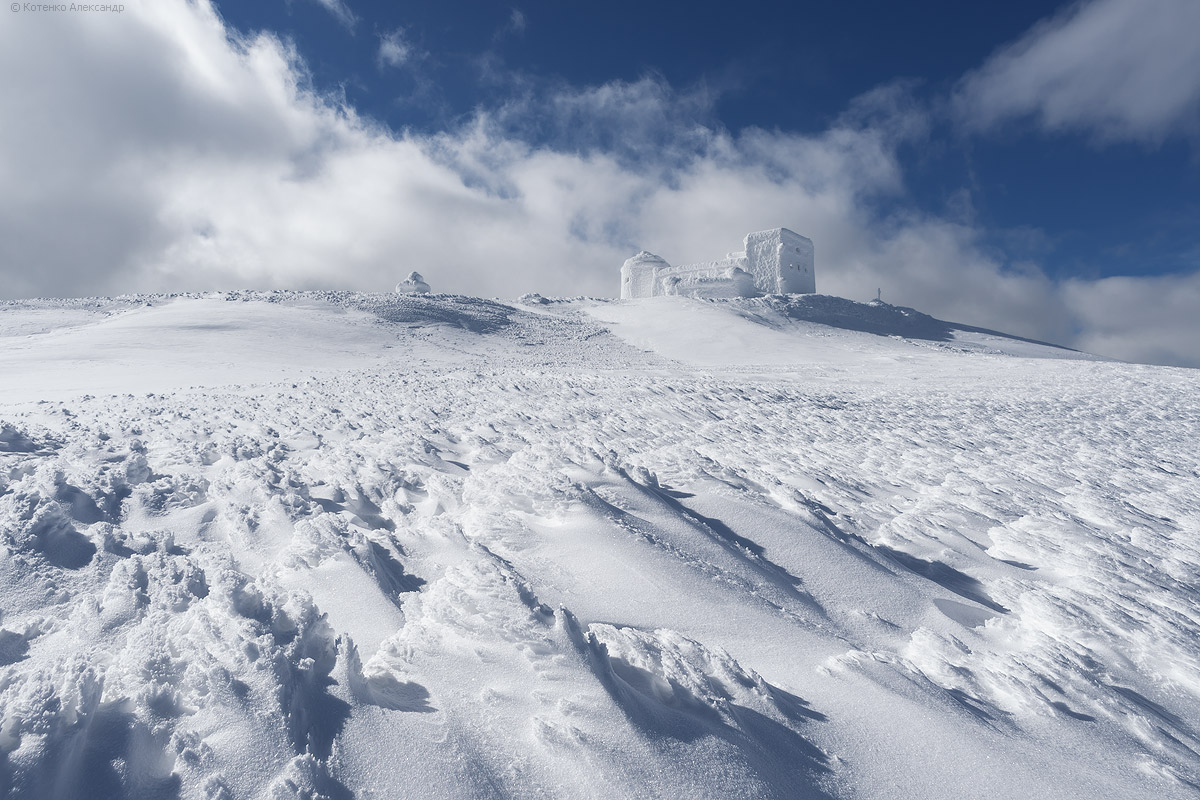
In July 2014, a decision was made to establish a separate rescue post within several rooms of the observatory. Since 2017, the Yavornytskyi Search and Rescue Unit has been operating there 24/7, with several rescuers on duty at all times, sometimes assisted by volunteer tourists.
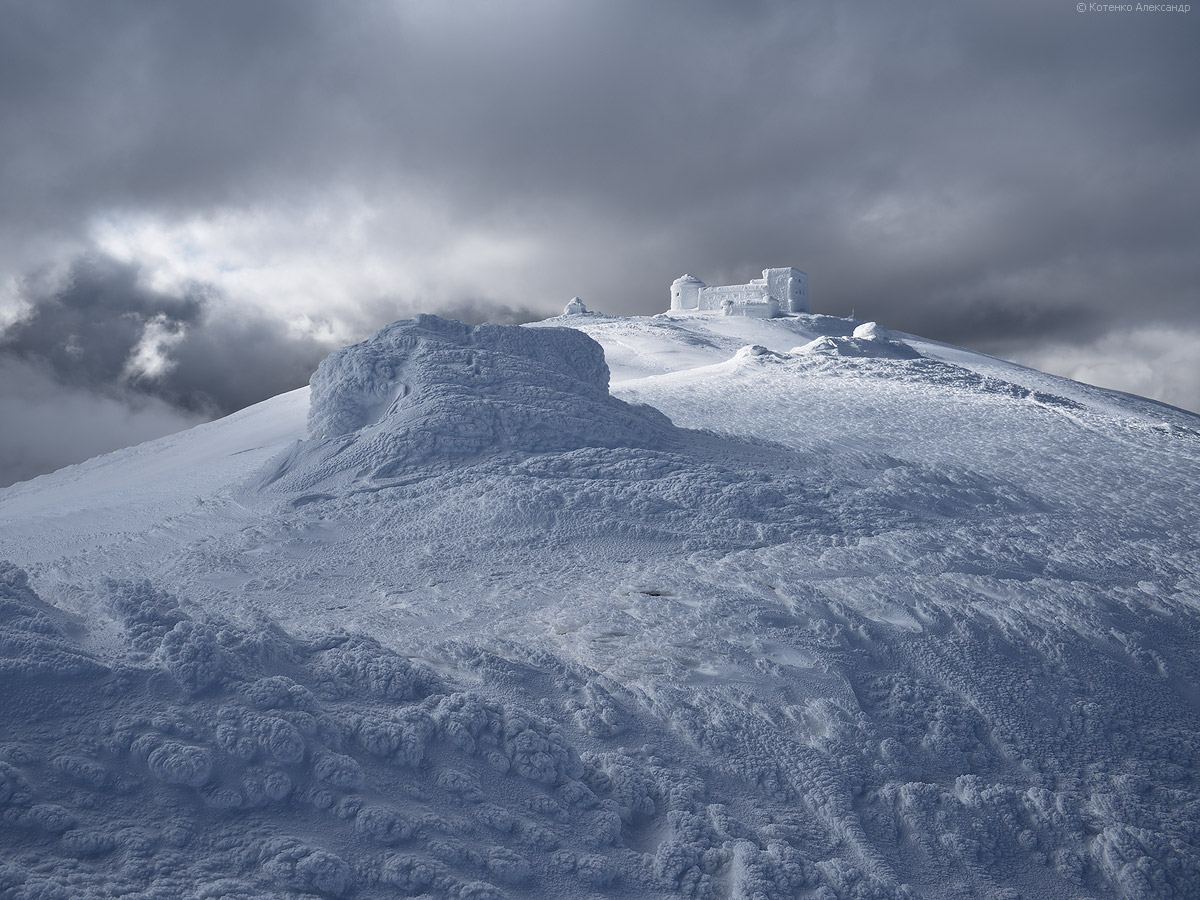
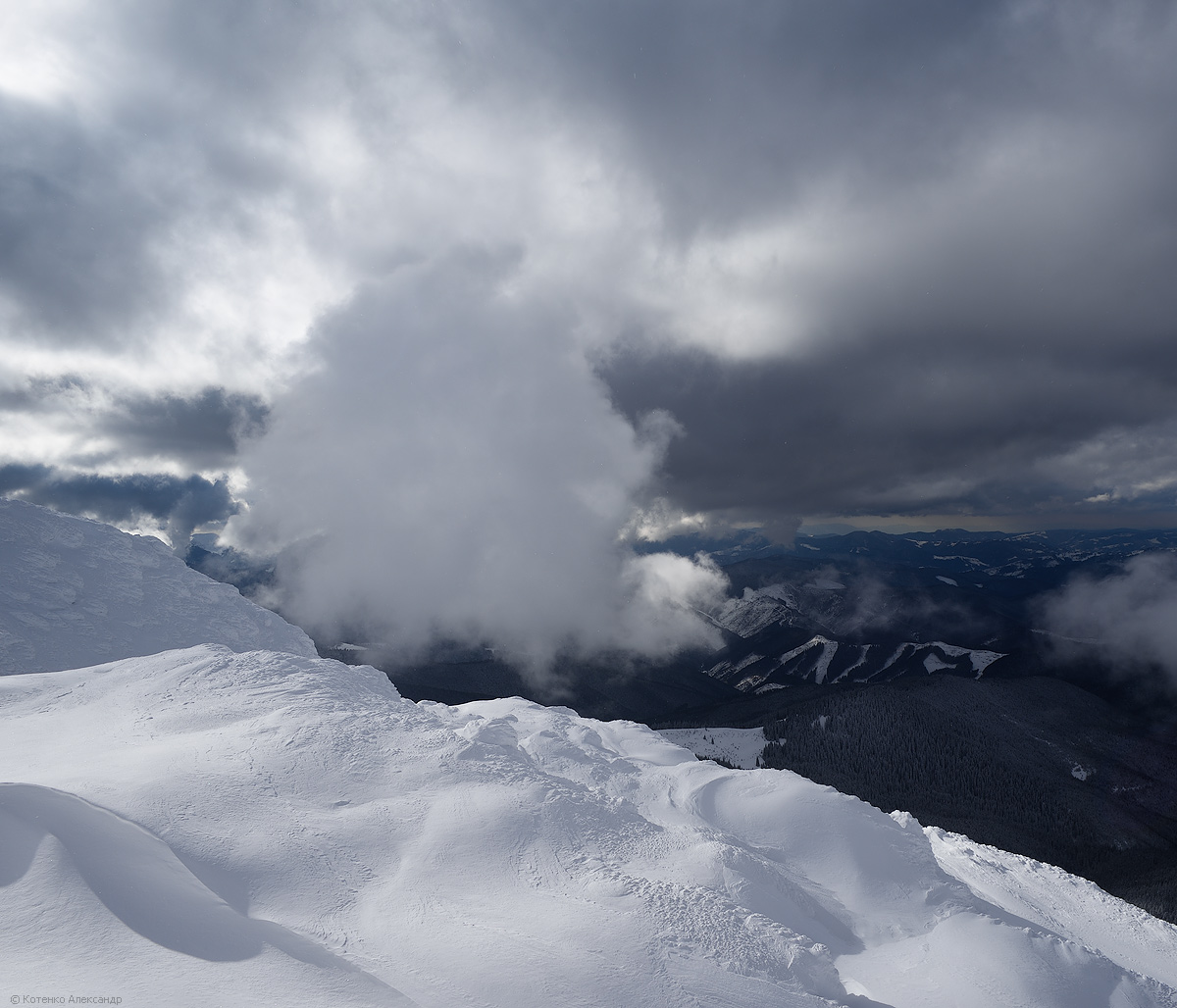
The post has its own Facebook page, where it posts information every morning about weather conditions and avalanche danger. Since its inception, the department’s staff has found and rescued hundreds of hikers. The rescue post has a shelter where people can wait out severe weather conditions. This shelter is not a tourist shelter, but rather a fallback shelter. It is unheated and consists of two rooms.
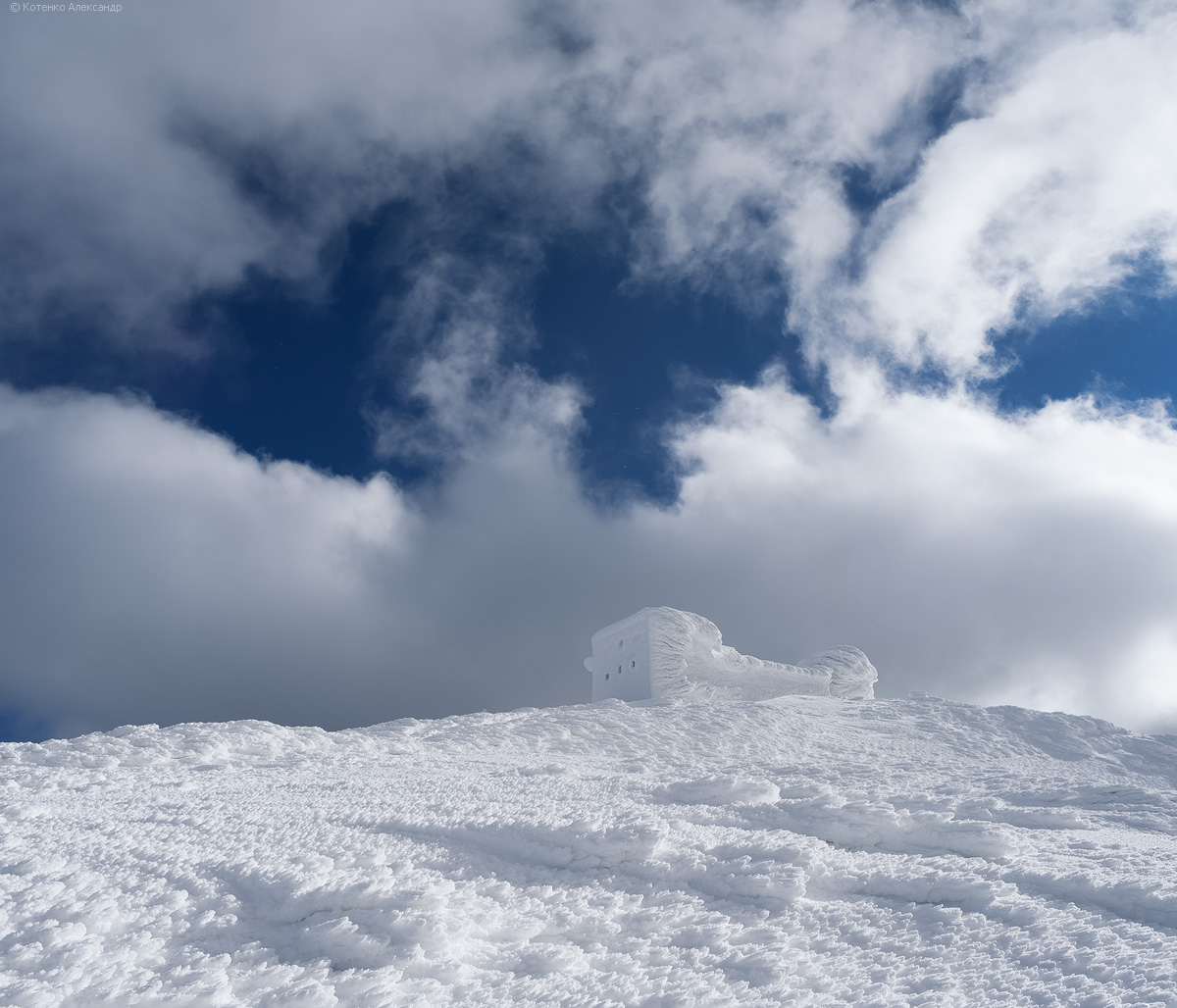
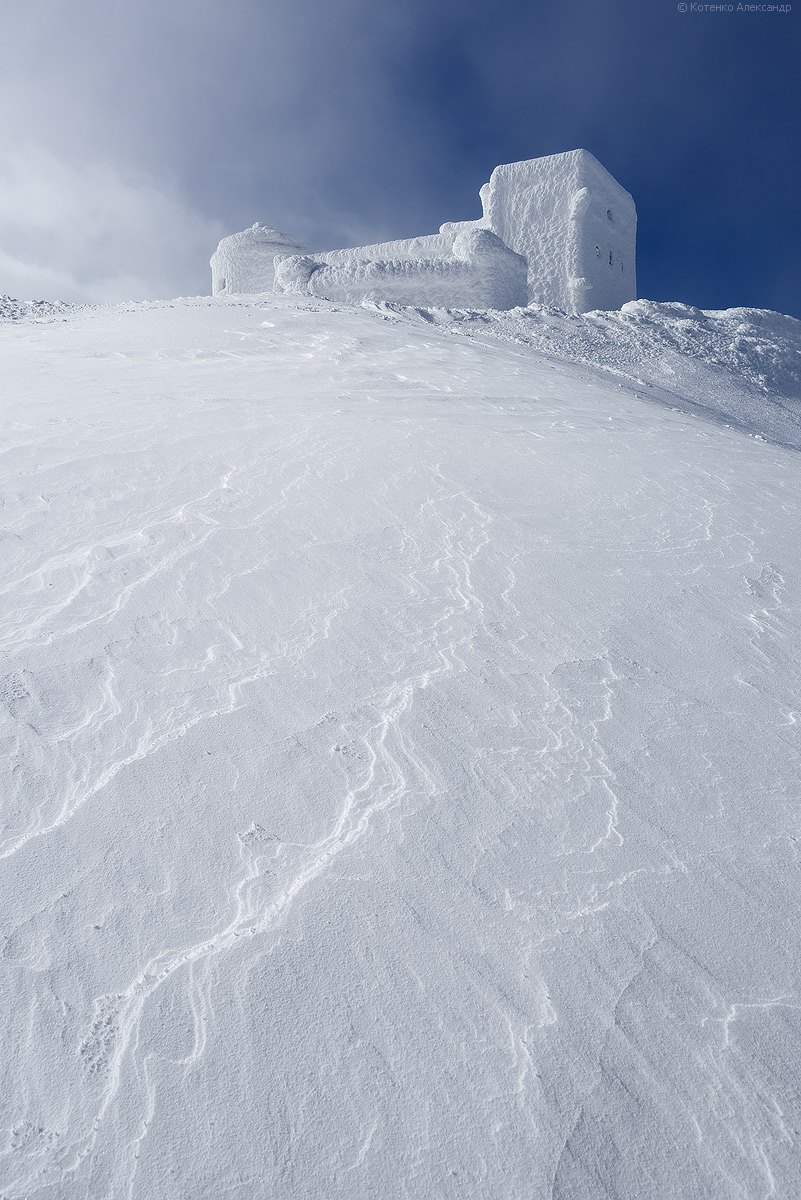

Since the mountain reaches 2,028 meters in elevation, the warm season for hiking in the Chornohora Range lasts from the second half of May through October. In early May, snow is common along the route, and daytime temperatures can sometimes drop below freezing. In the summer heat, sunburn and dehydration can be easy, so remember to bring plenty of water and sun protection.
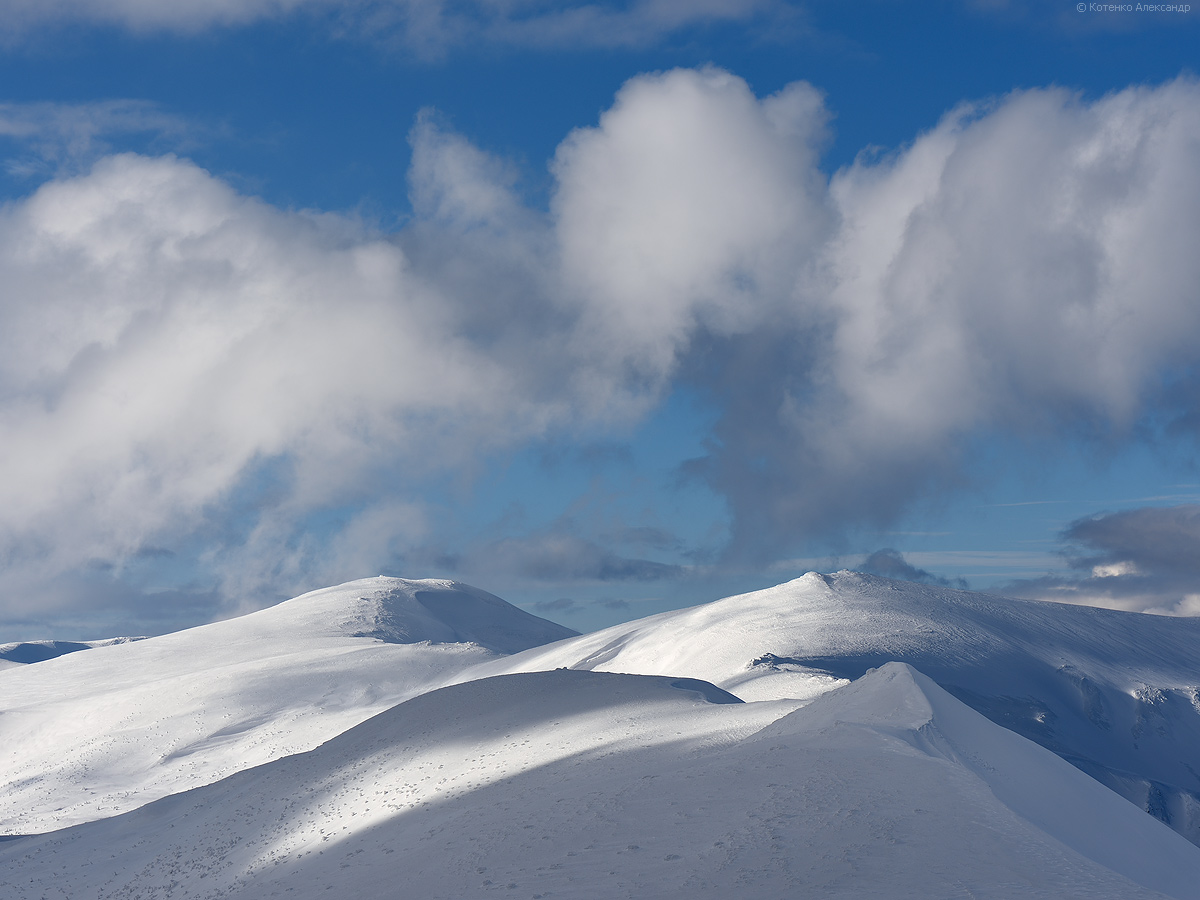
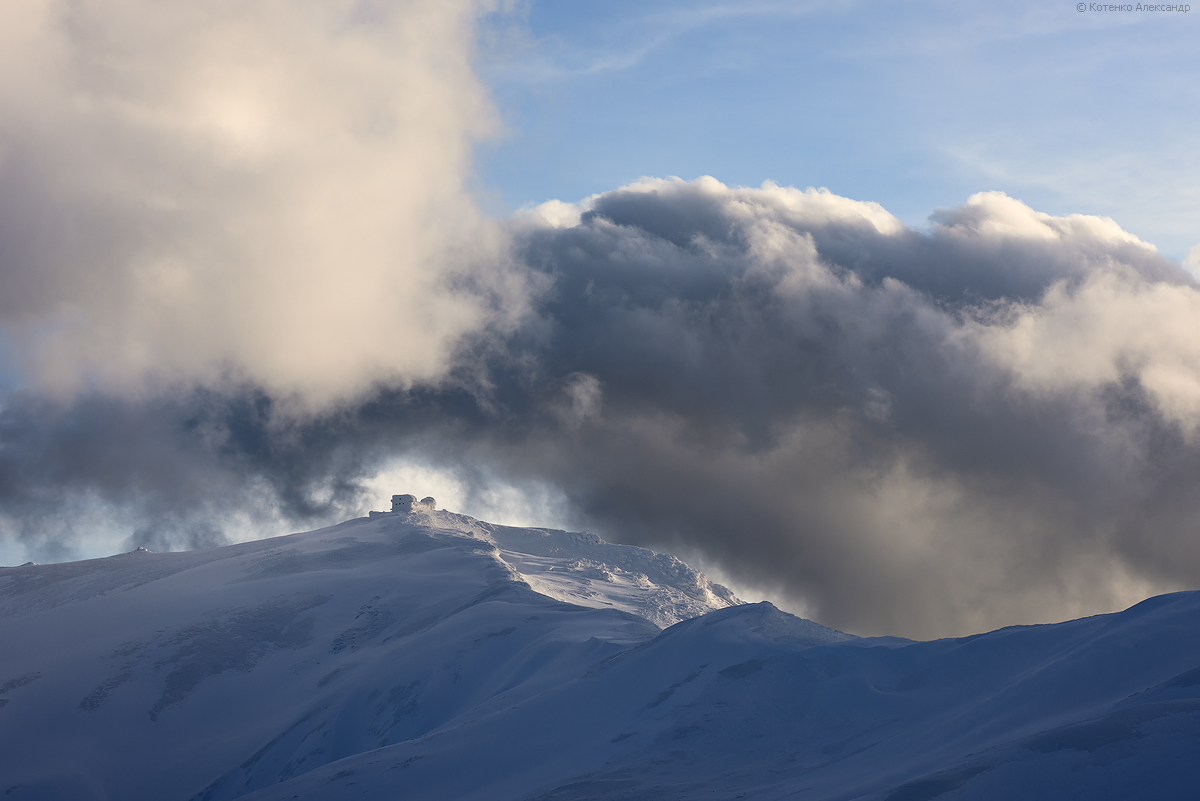
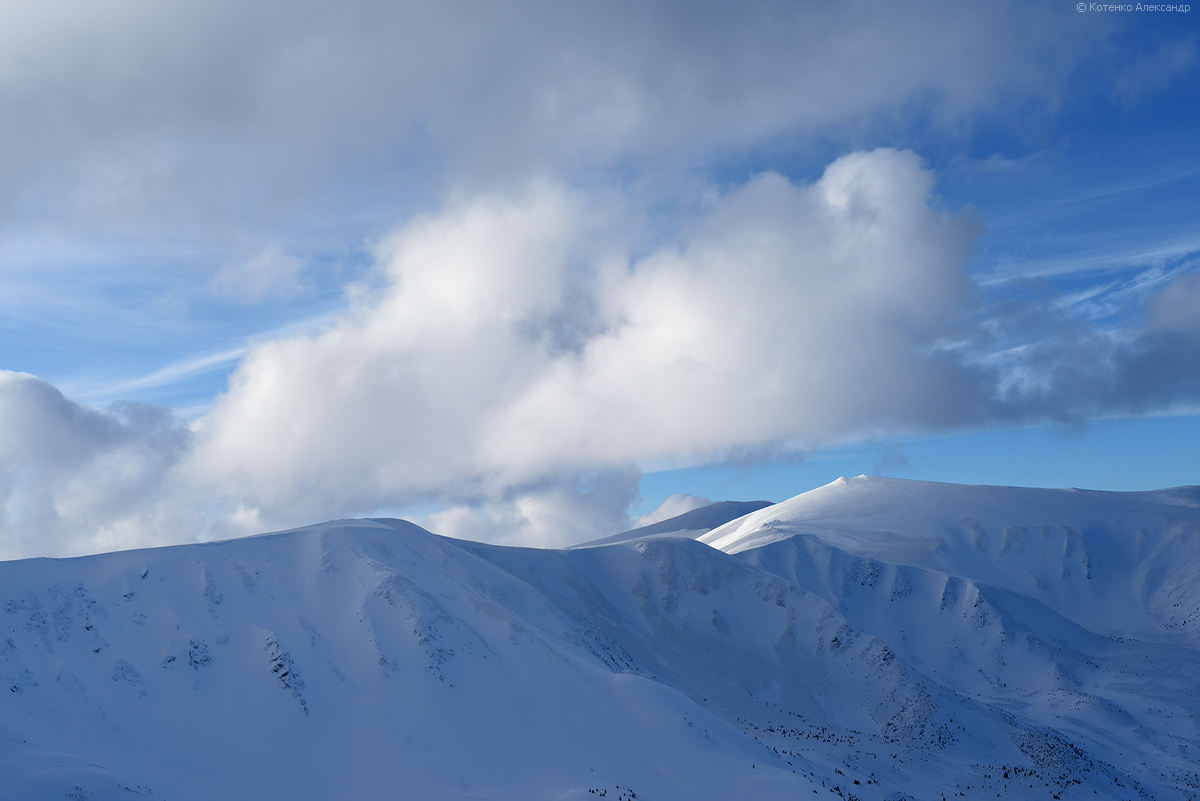
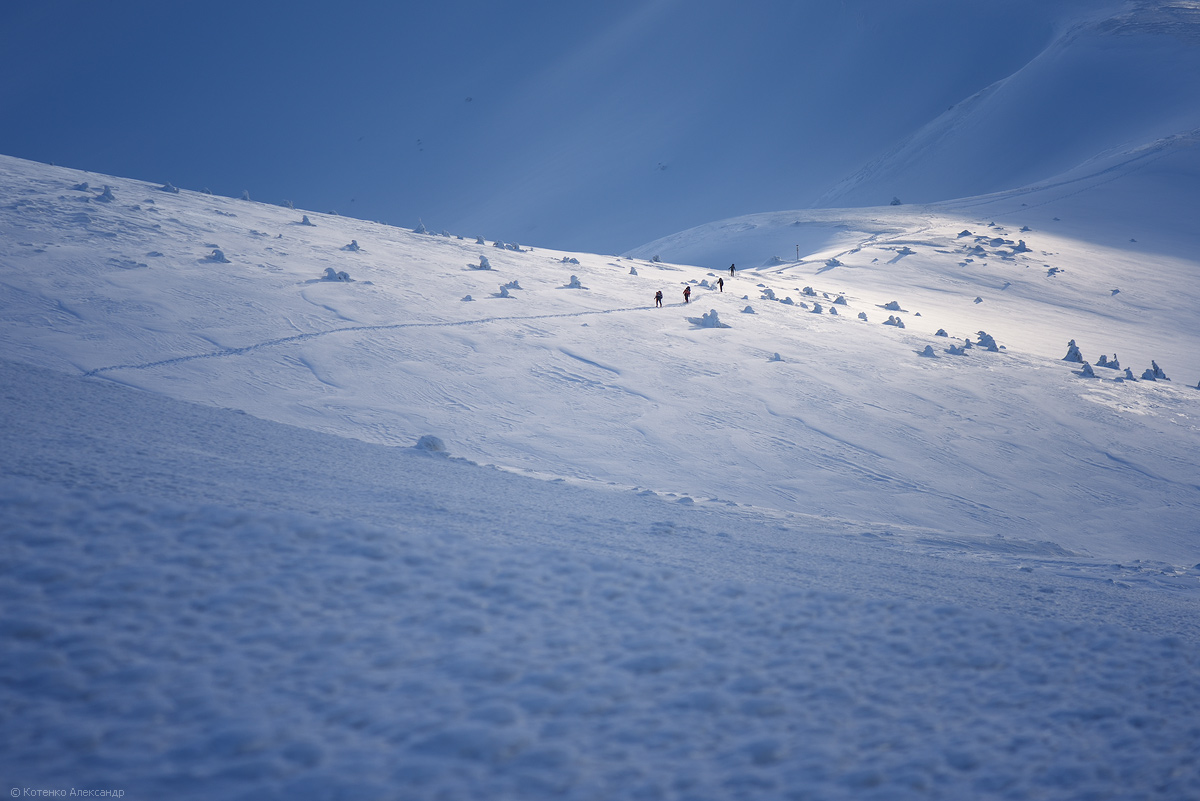
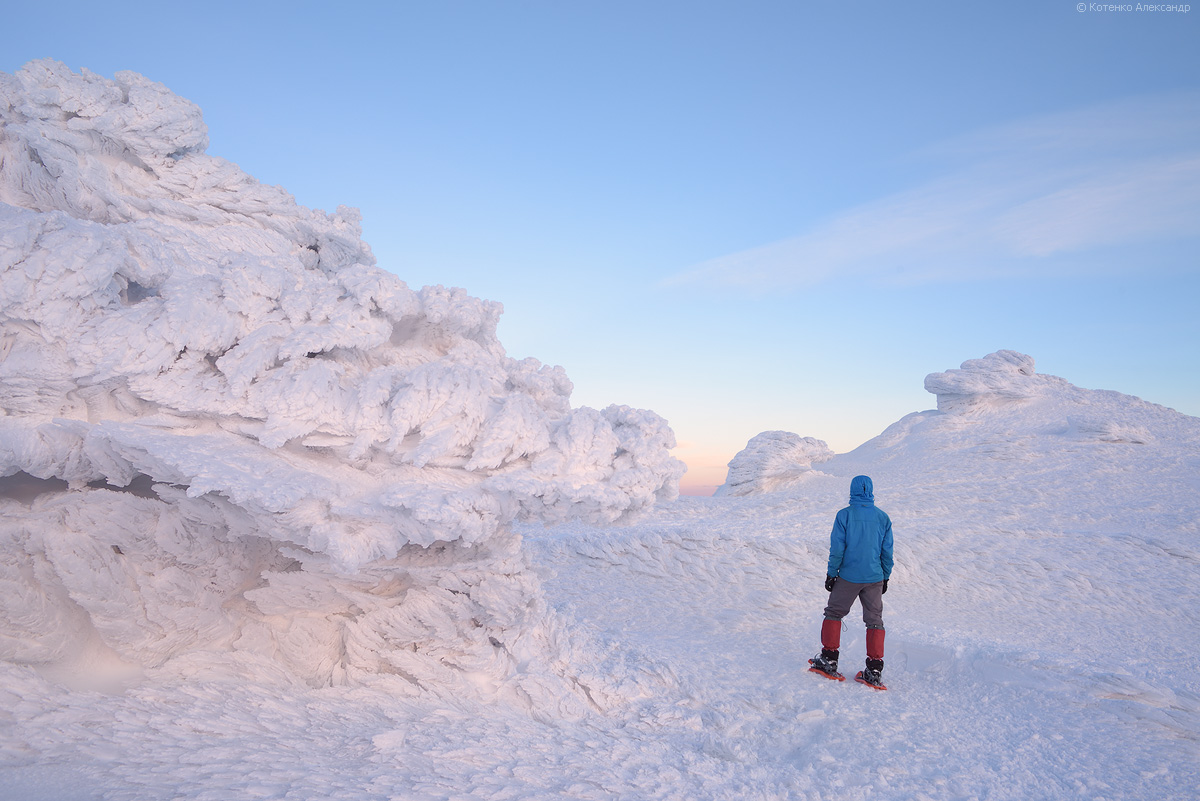
During the winter, from late November to April, conditions on the mountain can be extremely harsh: deep snow, winds up to 100 km/h, temperatures below -20°C, and visibility limited to 20 m. Avalanches can pose a serious danger if the route is not followed correctly. Winter climbing requires special clothing and equipment, good physical fitness and experience.

Tags: Ivano-Frankivsk oblast · Zakarpattia oblast
You might also like:
 Winter fairytale of the Ukrainian Carpathians
 Mystical fog over the Ukrainian Carpathians
 One sunny April day in the Ukrainian Carpathians
 The Palace of the Counts of Shenborn in Zakarpattia Oblast
 Vynohradiv – One of the Oldest Towns of Transcarpathia
 Berehove – the main center of Hungarian culture in Ukraine
<< The Museum of Folk Architecture and Rural Life in Uzhhorod